Articles in this Volume

Research Article Open Access
Research Progress of Sn-based Anode Materials for SIBs
Article thumbnail
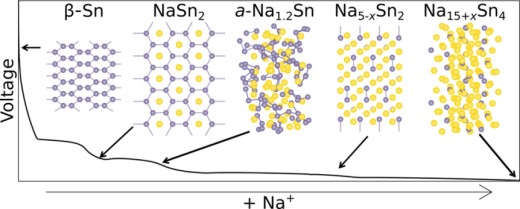
Sodium ion batteries (SIBs) is considered as a promising battery to replace lithium ion battery (LIBs). Sn-based electrode materials have been widely studied because of their high theoretical capacity, good safety performance and good environmental compatibility. However, due to the serious volume change, slow dynamic response and low coulombic efficiency, the battery capacity decreases rapidly, which still needs great improvement. In this paper, the types of Sn-based electrodes up to now are reviewed, and their electrode reaction principles are briefly described, and the advantages of various electrodes are summarized. At the same time, the improvement methods of Sn-based electrodes are further summarized. Finally, the Sn-based materials are summarized and the research direction of Sn-based electrodes in the future is prospected.
Show more
Read Article PDF
Cite
Research Article Open Access
Comprehensive Exploration of Solar Photovoltaic Technology: Enhancing Efficiency, Integrating Energy Storage, and Addressing Environmental and Economic Challenges
Article thumbnail
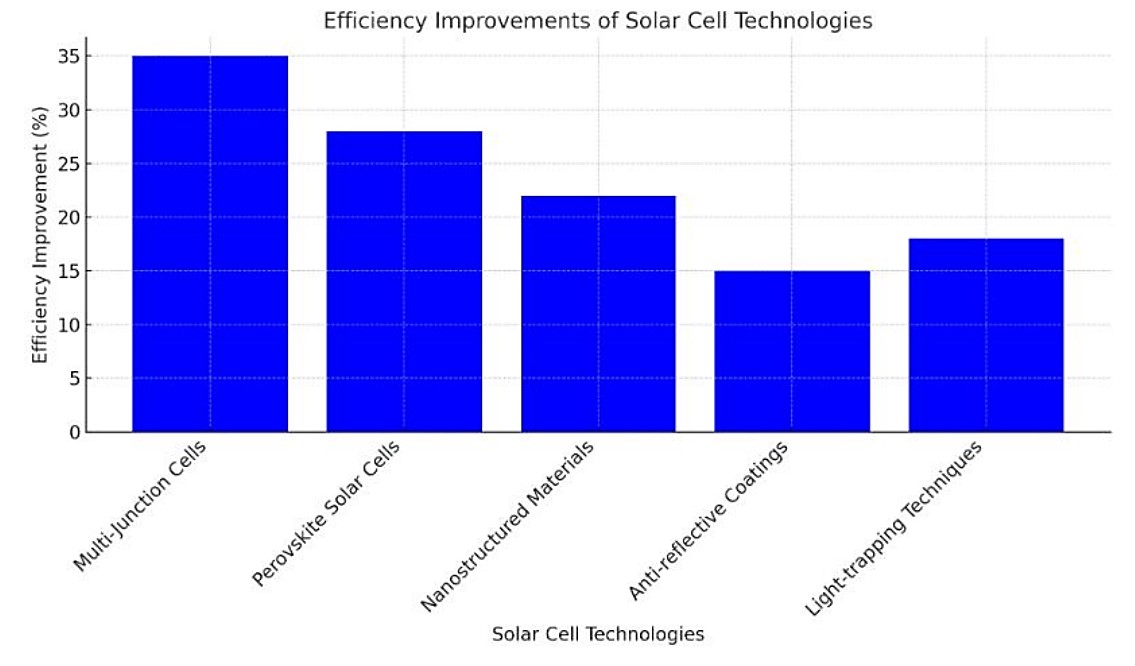
Solar photovoltaics (PV) have emerged as a cornerstone in the global transition towards clean, renewable energy. This academic article comprehensively explores the advancements driving solar PV technology, including significant improvements in solar cell efficiency through innovative materials and designs like multi-junction and perovskite cells. Furthermore, the integration of energy storage solutions and grid management strategies plays a pivotal role in enhancing the reliability and scalability of solar energy systems. The environmental benefits of solar PV are also examined, such as the reduction of greenhouse gas emissions, improvements in air and water quality, and land use efficiency. However, the article acknowledges the challenges solar PV faces, particularly in terms of economic viability, variability in energy generation due to weather conditions, and the environmental impacts associated with manufacturing processes. To overcome these obstacles, the article emphasizes the importance of collaborative efforts among governments, industries, and researchers, advocating for continued innovation and policy support to maximize solar PV’s potential in achieving a sustainable energy future.
Show more
Read Article PDF
Cite
Research Article Open Access
Integrating Energy Efficiency, Sustainable Materials, and Eco-City Planning: A Holistic Approach to Green Building Design
Article thumbnail
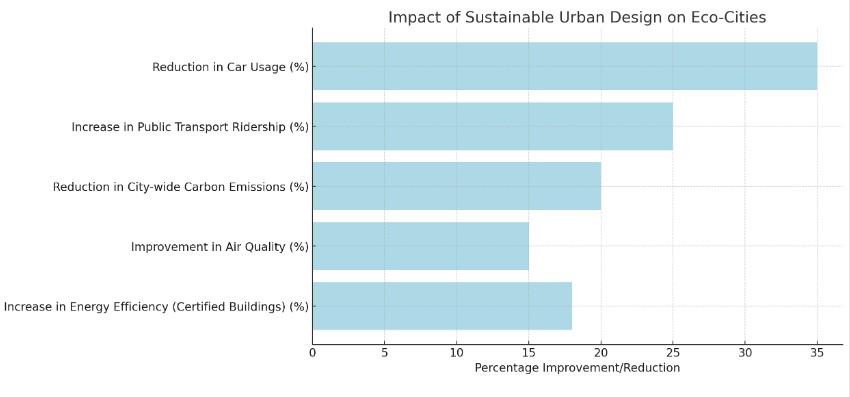
As urbanisation accelerates as a global trend, the need for green building has never been more urgent. In this paper, these concepts are examined through the lens of energy efficiency, sustainable green building materials and eco-city planning, to outline a holistic approach to green building design. The use of energy efficient technologies within new buildings can reduce energy demand by up to 50%, such as the implementation of advanced HVAC systems and passive solar design. Not only does this provide cost savings for the building, but also reduces energy demand and subsequently reduces overall environmental impact. Sustainable green building materials such as recycled steel and cross-laminated timber can reduce the carbon footprint of the building significantly, by 30-40%. Additionally, eco-city planning, encompassing sustainable urban design, integrated water and waste management, and the resilience to climate change, utilises a broader lens to achieve city-level sustainability. Through case studies and quantitative analyses of such building projects, this paper demonstrates how these concepts can be utilised together and have synergistic effects. The use of these strategies together can contribute more significantly to built environments that are resilient and sustainable through the lens of energy savings for the residents, appropriate building technology, and consideration for the overall impact of the city as a whole.
Show more
Read Article PDF
Cite
Research Article Open Access
Application and Future Development of Iron-chromium Flow Batteries
Article thumbnail
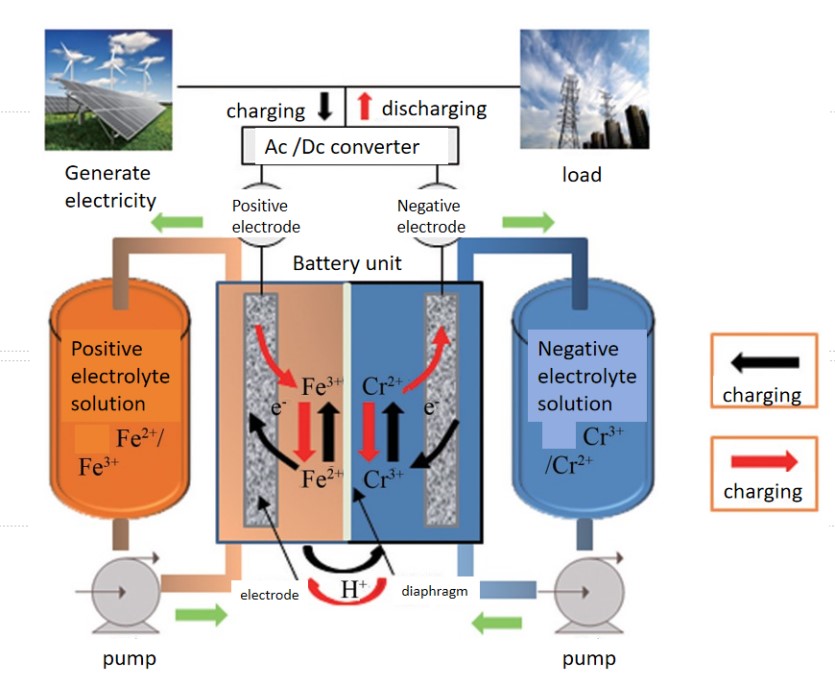
With the transformation of the global energy structure and the rapid development of renewable energy, large-scale energy storage technology has become the key to balancing supply and demand and improving the stability of the power grid. Iron-Chromium Flow Battery (ICFB), as a new type of electrochemical energy storage technology, has gradually attracted the attention of researchers and industry. This paper summarizes the basic overview of the iron-chromium flow battery, including its historical development, working principle, working characteristics, key materials and technologies, and application scenarios. At the same time, the future development of Fe-Cr flow battery is discussed, including technological innovation and cost reduction. Finally, the working principle of the Fe-Cr flow battery is summarized, which is based on the REDOX reaction of iron and chromium ions in different electrolytes to achieve energy conversion. This kind of battery has the advantages of long cycle life, high safety, environmental friendliness, low cost and easy scale, etc., which is suitable for large-scale energy storage systems, especially in the grid connection of renewable energy and power grid regulation. Iron-chromium flow batteries also hold the potential to play a significant role in advancing the energy transition and meeting carbon neutrality targets.
Show more
Read Article PDF
Cite
Research Article Open Access
The Development Trends and Challenges of Smart Water Management in China
Article thumbnail
Smart Water Management refers to the modernization of water services through the application of digital and information technologies. It has rapidly developed in China, demonstrating significant advantages. However, it also faces both internal and external challenges. Despite these challenges, Smart Water Management in China is presented with unprecedented opportunities driven by technological advancements, industrial progress, and the vast Chinese market. This paper provides a comprehensive analysis of the development of Smart Water Management in China, offering relevant recommendations on how to support it through policy measures.
Show more
Read Article PDF
Cite
Research Article Open Access
Solar Thermal Power Generation Technology Development
Article thumbnail
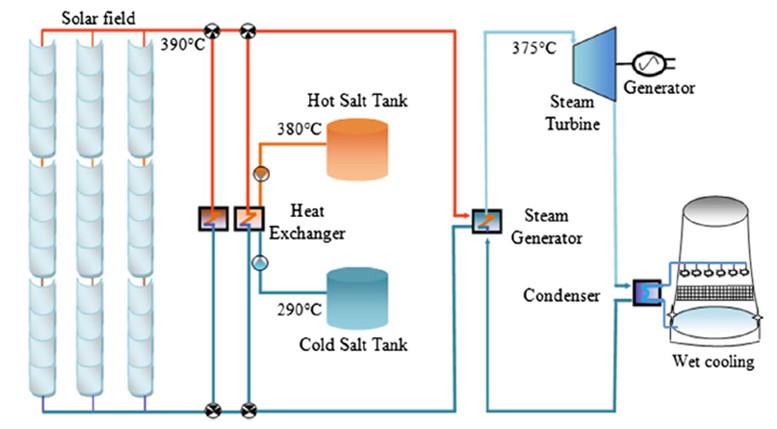
Fossil energy is running out faster and faster these days, and pollution in the environment is becoming a major issue. There are many opportunities for the growth of clean energy, particularly solar energy, under the "two-carbon" strategy. The production of solar electricity offers the benefits of plentiful resources as well as clean and environmental protection, which is becoming a crucial aspect of global energy consumption. In order to better understand the development of solar thermal power generation technology, this paper compares four different types of solar thermal power generation technology: trough thermal power generation technology, tower thermal power generation technology, dish thermal power generation technology, and linear Fresnel thermal power generation technology. It also evaluates the benefits and drawbacks of each technology and provides an overview of the advancements made in solar thermal power generation both in China and internationally. An introduction is given to the need and state of development for solar thermal power generating. The future and development prospects of solar thermal power generation technology are finally discussed.
Show more
Read Article PDF
Cite
Research Article Open Access
Comparing the Impact and Requirements of Terrain and Landform on Building Materials in China
Article thumbnail
Based on China's current policies for the development of the western region, infrastructure is the top priority. However, the geological structure of the western region of China is very complex and lacks experience. Therefore, the core of this paper is to study the demand for building materials and structures under different geological conditions. This article explores the construction materials and methods in specific terrains and landforms in China, including alluvial plains, plateaus, and hills, through literature analysis and specific data analysis. Through case analysis, including the building materials and methods of Shanghai Tower, the building materials and methods of residential buildings on the Qinghai Tibet Plateau and the Qinghai Tibet Railway, and the building materials and methods of traditional buildings and reconstructed buildings in southwest mountainous areas of China, specific conclusions are drawn and their data are compared. There are also applications of some new building materials in specific regions. This provides a certain reference value for the renovation of traditional residential buildings in some special terrain and landforms.
Show more
Read Article PDF
Cite
Research Article Open Access
Comparison among Main Factors for Biodiesel via Transesterification of Vegetable Oil
Article thumbnail
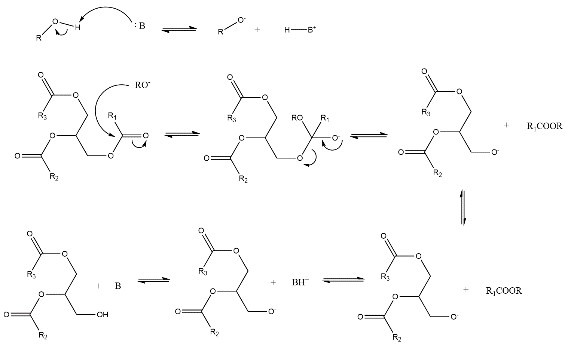
This study reviews transesterification reaction, an advanced technology for the synthesis of biodiesel, and compares heterogeneous and homogeneous catalysts to highlight their unique properties. Homogeneous catalysts provide a higher yield with a faster reaction rate and operate under mild conditions. However, they can dissolve in the final product, making separation difficult. Heterogeneous catalysts, on the other hand, can utilize raw feedstock from daily waste, making them more environmentally friendly, easier to recycle, and more active. While homogeneous catalysts are better suited for biodiesel made from feedstock with low free fatty acid content and water, heterogeneous catalysts can have their adjusted by controlling the calcination temperature. This article also discusses other factors related to metal oxide catalysts, and identifies the optimal conditions for transesterification as a temperature of 65 degrees, an alcohol-to-oil ratio of 1:8, a catalysts concertration above 1 mg/L, and a reaction time of around 90 minutes. If metal oxide catalysts are used, the ideal calcination temperature ranges from 700 to 900 degrees. However, for other catalysts, their operating conditions might vary, but the overall relationships among the factors remain consistent.
Show more
Read Article PDF
Cite
Research Article Open Access
A Self-assembly-prepared TiO2-SiO2 Heterostructure Film with Enhanced Photocatalysis Activity
Article thumbnail
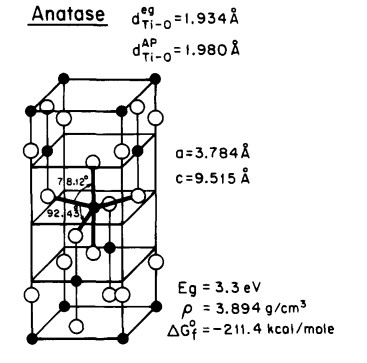
Water pollution has become more and more important today. A new method was found to handle this problem which is the Anatase thin film between silica layers. This paper illustrates the principle of the photocatalytic splitting of water and the fabrication of TiO2 films in Self-assembling method, making a comparison with the other methods. Also, this paper explains the reasons for using SiO2 as a base and the superhydrophilicity in TiO2–SiO2 nano-composite thin films in atomic force microscopy(AFM) and transmission electron microscopy(TEM). Research is being done on the improvement of catalytic efficiency and transmittance in such film. In this paper, it is found that the addition of silica to titanium dioxide leads to a very low contact Angle with water, which is of great help in maintaining good hydrophilicity. In addition, the methods to improve the hydrophilicity and transmittance of titanium dioxide by increasing the surface roughness coefficient and introducing holes in the hydrophilic film are also discussed.
Show more
Read Article PDF
Cite
Research Article Open Access
Enhancing Machinery Reliability: The Role of Piezoelectric Sensors in Early Detection of Failures and Wear in Rotating Equipment and Turbines
Article thumbnail
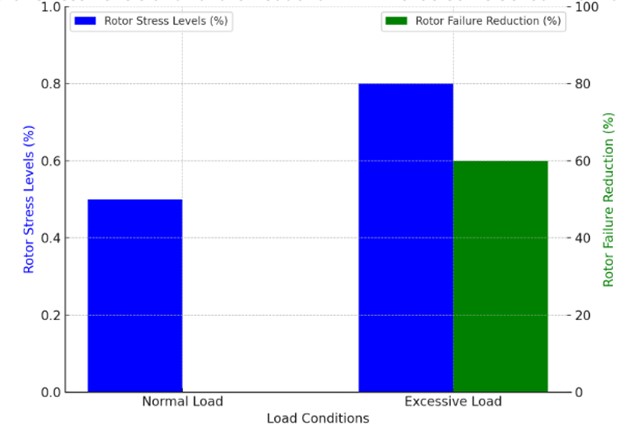
Industrial machinery has to be reliable, to ensure the correct operation and reduce downtime. This research study discusses the viability and robustness of piezoelectric sensors in early stage detection of mechanical failures. Based on statistical demonstration, 70 per cent of mechanical failures are caused by unbalance and misalignments, so piezoelectric sensors could provide suitable solution to enhance vibration sensitivity, enabling proper maintenance intervention to machinery and turbines. The article highlights the application of piezoelectric sensors in shaft misalignment, monitoring bearing wear and vibration signature analysis in blade fatigue detection. Overall, the experimental results show that attaching piezo devices can reduce vibration level by 40 per cent, increase machine lifetime and enhance turbine efficiency. Because these sensors are efficient and effective, the authors have proposed the introduction of Internet of Things and machine learning techniques to improve maintenance prediction. In conclusion, this article reveals piezoelectric sensors as a suitable technology to enhance machinery reliability and safety.
Show more
Read Article PDF
Cite