Articles in this Volume

Research Article Open Access
A comparative study of flexible and rigid hand-oriented exoskeleton robots
Article thumbnail
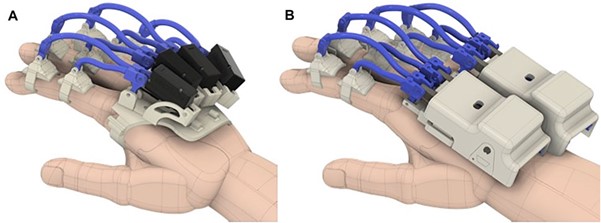
The purpose of this paper is to compare and evaluate the performance differences between flexible and rigid hand exoskeletons in terms of functional recovery and assistance in daily activities.Flexible hand exoskeletons are lightweight and soft devices with stretchable materials and flexible mechanisms designed to mimic the flexibility and versatility of natural hand movements.They typically consist of elastic materials, sensors and actuators that enable natural hand movements and provide light strength support.The main advantages of flexible hand exoskeletons are their comfort and flexibility, and their ability to provide personalized assistance for a variety of daily activities and tasks.This form of design is suitable for patients who require mild hand support and dexterity, such as individuals with mildly impaired hand motor function or who need to perform fine motor movements. In contrast, a rigid hand exoskeleton is a more rigid and stable device that uses robust materials and a rigid mechanism designed to provide a greater degree of strength support and stability.They are typically constructed of metal or composite materials, have a high degree of rigidity and stability, and provide strength support through electrical motors or hydraulic systems.The main advantage of a rigid hand exoskeleton is its higher force output and stability for tasks that require higher loads or complex movements.This form of design is suitable for patients who require greater strength support and stability, such as individuals with reduced hand muscle strength or who need to carry heavy loads
Show more
Read Article PDF
Cite
Research Article Open Access
Comparative analysis of obstacle avoidance sensors based on assistive intelligent wheel chair
Article thumbnail
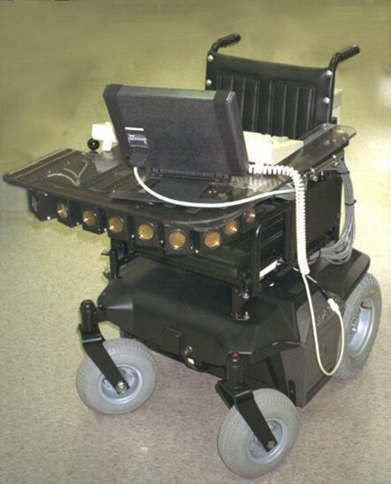
With the advent of an aging society and the increase in the number of physically disabled people, the pressure faced by medical escorts is gradually increasing. At the same time, since technology is developing rapidly, how to apply wheelchairs to assist the elderly and the disabled has become an urgent problem at this stage. Among them, intelligent wheelchairs with obstacle avoidance function are gradually improving the daily life of the lower limb disability, and the method of obstacle avoidance for intelligent wheelchairs is mainly based on distance measurement technology, and according to the safe distance to determine whether the obstacle affects the security of operator or not, to effectively avoid crashing and falling. The paper introduces six types of obstacle avoidance methods based on different distance measurement sensors: ultrasonic obstacle avoidance, binocular vision obstacle avoidance, structured light obstacle avoidance, Infrared ranging module based on Triangulation and Time of Flight(TOF) method obstacle avoidance, and Light Detection And Ranging(LiDAR) obstacle avoidance. Then it divides them into two categories based on the different principles of distance measurement, collects various parameter information from the official websites of different brands of various sensors, compares their performance parameters, elaborates the working principles of distance measurement, states the advantages as well as limitations of different kinds of sensors, looks forward to their development direction at the end of this paper.
Show more
Read Article PDF
Cite
Research Article Open Access
Brain-computer interface technology for rehabilitation exoskeleton applications
Article thumbnail
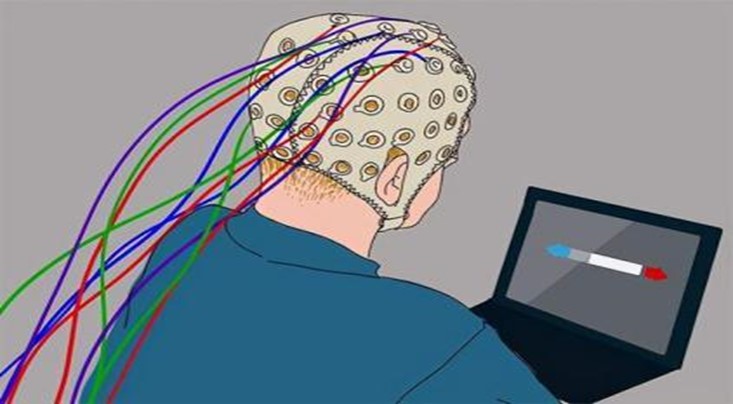
In recent years, the development of brain-computer interface (BCI) and exoskeleton technology has received more and more attention. Brain-computer interface, a technology that allows the human brain to communicate with electronic devices or computer programs, has potential applications in sports rehabilitation for the disabled and smart home control. Exoskeleton technology, on the other hand, provides humans with enhanced movement and strength, offering new possibilities for improving the quality of life for people with mobility disorders. Several applications of brain-computer interface and exoskeleton technology are discussed. Applications of brain-computer interfaces range from motor rehabilitation, allowing patients to regain control of paralyzed limbs, to controlling virtual environments and assistive devices. Exoskeletons, on the other hand, enable people with reduced mobility to walk again, providing them with more independence and function. This paper introduces the latest research progress of BCI and exoskeleton technology, including the latest breakthroughs in machine learning and artificial intelligence algorithms, which greatly improve the accuracy and speed of BCI control. Challenges such as developing lightweight and user-friendly exoskeletons and addressing safety and ethical issues in BCI applications are also discussed. The purpose of this paper is to provide a comprehensive and up-to-date reference for researchers and science enthusiasts interested in brain-computer interface and exoskeleton technology.
Show more
Read Article PDF
Cite
Research Article Open Access
Research on predicting football matches based on handicap data and BPNN
Article thumbnail
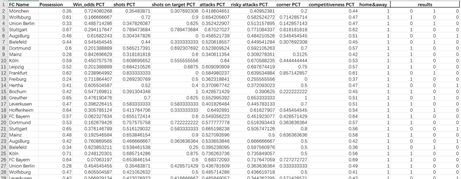
Football is one of the most influential sports in the world, and billions of people around the globe pay much attention to the football matches. With the growing popularity of football and the continuous development of the football betting industry, the prediction of the outcomes of football matches has become a hot topic in the commercial operations of sports especially footballs in recent years. It is also an important subject of academic research. In this paper, we develop a football match result prediction model based on the back propagation neural network. We take the German Bundesliga competitions as the research object in this paper. In addition to utilizing historical statistic data and team attributes from previous matches, we also incorporate a new dataset, known as handicap data, which refers to the odds data of the football matches, as the input layer of the BPNN (back propagation neural networks) for prediction. We also innovatively use varying numbers of hidden nodes, which greatly improves the prediction accuracy and stability of the model. Experimental results indicate that the average prediction accuracy of this football match prediction model is around 57.2%, with the highest prediction accuracy reaching 59.8% and the lowest prediction accuracy at 53.8%. The prediction model demonstrates relative stability, with no significant fluctuations in prediction accuracy.
Show more
Read Article PDF
Cite
Research Article Open Access
A review of techniques and methods for deep learning techniques in driver fatigue detection
Article thumbnail
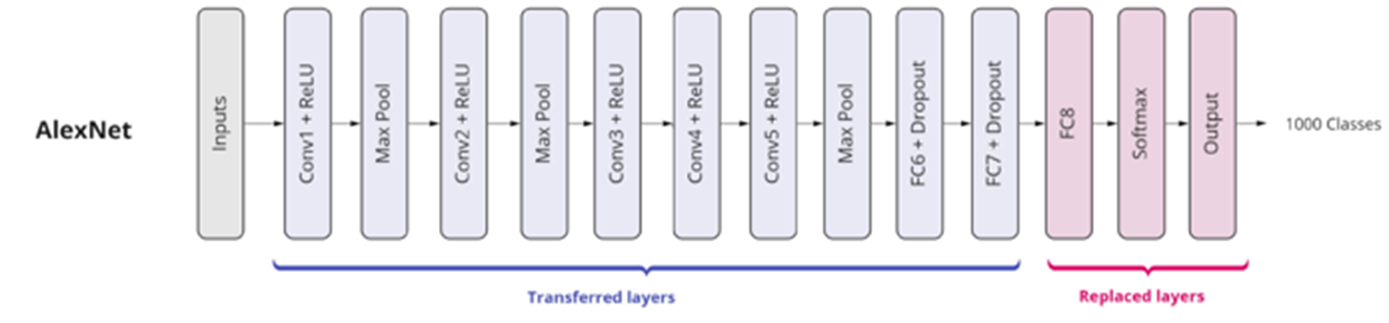
Road accidents in which fatigue driving is a significant cause of death are responsible for many deaths worldwide. Approximately 100,000 crashes are caused by driver fatigue each year. Also, fatigue driving is responsible for about 16% of road accidents in general and more than 20% of highway accidents, so fatigue driving accounts for a large percentage of vehicle accidents. Fatigue driving detection usually uses subjective and objective methods. Subjective methods rely on analysing the driver's psychological and facial expression information, while objective methods use external devices to extract feature parameters and apply artificial intelligence algorithms. However, these methods have limitations, such as subjectivity and individual differences. Deep learning, a promising tool inspired by neural networks, offers automatic feature learning, robust pattern recognition, and high adaptability. This review explores the application of deep learning in fatigue driving detection. It examines various deep learning feature extraction methods, classification models, prediction models, and related datasets. By leveraging deep learning techniques, fatigue driving detection can achieve higher accuracy and effectiveness, providing a reliable solution to this critical road safety problem. The review concludes with recommendations and future perspectives in this area.
Show more
Read Article PDF
Cite
Research Article Open Access
Analysis of the development of an STM32-based smartwatch
Article thumbnail
Sensors and microcontrollers are well-functioning and inexpensive, and the smartwatch industry continues to grow. In response to the problems of traditional smartwatches, which are not fully functional, have poor computing effectiveness and are not suitable for wearing, this thesis designs a smartwatch based on the STMicroelectronics NUCLEO-L476RG microcontroller, using Altium Designer 17 software to draw The schematic diagram and Printed Circuit Board are drawn using Altium Designer 17 software, the driver code of the sensor is compiled and integrated using MBED software, the signal is processed by the STMicroelectronics NUCLEO-L476RG microcontroller and displayed in the Organic Light-Emitting Diode with Bluetooth debugger The measured parameters, such as heart rate, ambient temperature, number of steps, latitude and longitude, are displayed in the Organic Light-Emitting Diode with Bluetooth debugger. The results of the study show that the transmission of the signals in the STMicroelectronics NUCLEO-L476RG microcontroller and the display of the signals in the Organic Light-Emitting Diode and Bluetooth debugger have the advantages of small size, perfect functionality and low energy consumption, making it convenient for the user's daily use.
Show more
Read Article PDF
Cite
Research Article Open Access
Common problems in file conversion and processing parameters of FDM 3D printer
Article thumbnail
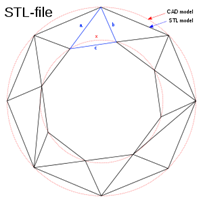
Fused Deposition Modeling (FDM) 3D printing technology is becoming increasingly popular in manufacturing and rapid prototyping. However, when using FDM 3D printers, one often encounters specific issues. This article summarizes common problems during file conversions and parameter settings with FDM 3D printers. Firstly, this article will discuss issues related to conversion from CAD model to STL file and STL file to Gcode. Secondly, we explore issues related to processing parameter selection and adjustments, including temperature settings, layer height, and print speed. By understanding these problems and their solutions, users can better tackle the challenges encountered using FDM 3D printers and achieve high-quality printing results.
Show more
Read Article PDF
Cite
Research Article Open Access
Interaction mode enables user perception recognition and perception optimization: An AI human-computer interaction study
Article thumbnail
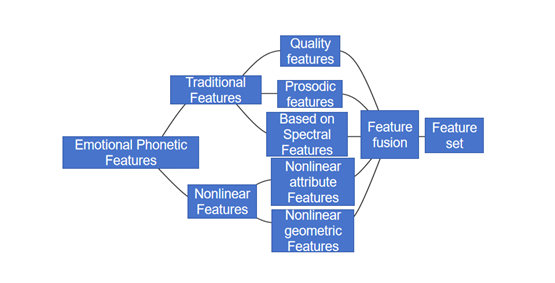
Artificial intelligent (AI) has various ways of human-computer interaction, but most of them overlook the recognition of human perception. If the interaction mode is combined with psychology, the user's mood change can be identified by the user's subtle expression, movement change and voice tone change, so as to provide corresponding services and improve the user experience. Statistical analysis of human responses to different situations in cognitive psychology, incorporating them into human-computer interaction methods. The current human-computer interaction modes in products tend to be standardized, and focusing user experience on user perception will bring special experiences to users. Emotional recognition is a cross disciplinary discipline with broad application prospects, but it has not yet reached a mature stage and requires corpus enrichment, theoretical strengthening, and method innovation. The era of artificial intelligence is leading a new wave of technological progress, and emotion recognition, as an important topic in the field of artificial intelligence, can help computer intelligence recognize human emotions and make human-computer interaction more friendly. In the near future, research on emotion recognition technology will make greater progress and be better applied to practical products.
Show more
Read Article PDF
Cite
Research Article Open Access
Driver's hazardous state detection in human-computer interaction of automotive cockpits
Article thumbnail
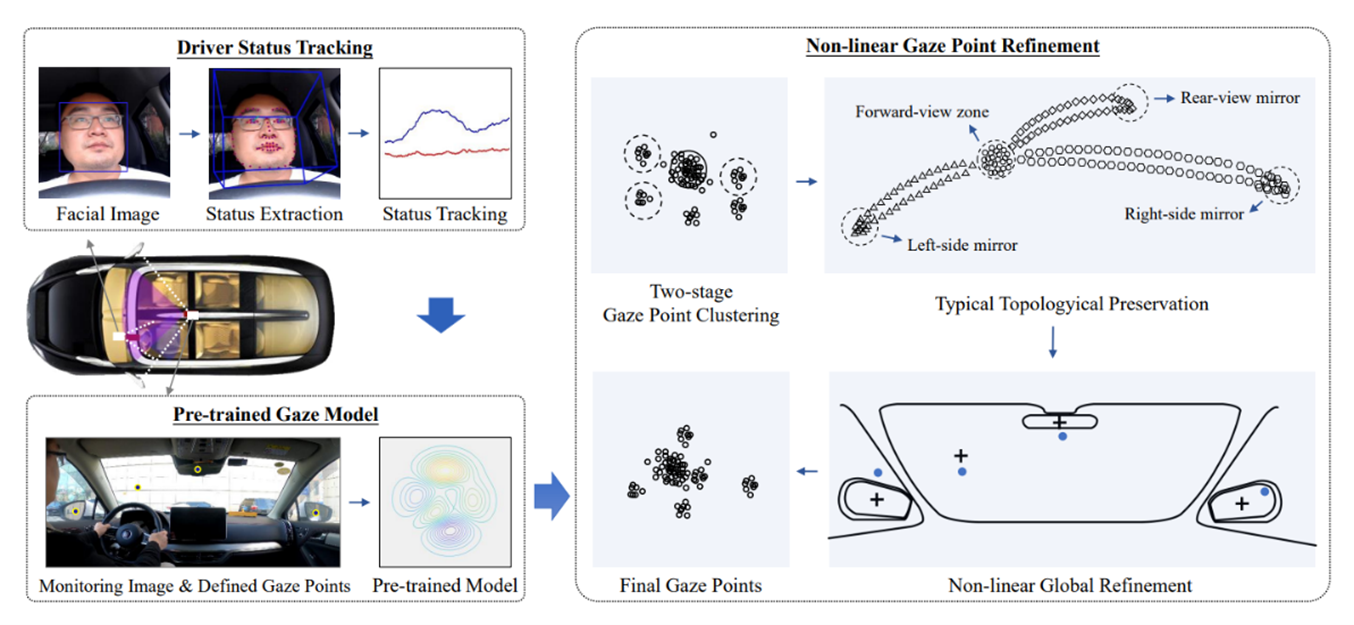
Today, the smart car industry is growing rapidly, the functions of the intelligent cockpit based on human-computer interaction are more and more extensive, and the sales volume of intelligent vehicles continues to rise. The incidence of traffic crashes caused by the unsafe state of drivers remains high. The different behavioral states that drivers may emit during driving is a necessary consideration in the design of the intelligent cockpit. This paper takes the driver's state as the starting point to systematically consider the driver's state detection. Summarizing the driver's state detection from four parts: eye state, limb state, facial state, and language state. This paper introduces the development status of the current four types of detection systems, focusing on eye state recognition and limb state recognition. The key driver's characteristic signals are mainly collected by the camera. The driver's state is judged by deep learning, machine learning, and database. This paper is more systematic and comprehensive than the existing literature. Comprehensive consideration of the driver's state contributes to the driver and passengers.
Show more
Read Article PDF
Cite
Research Article Open Access
Fatigue and distraction warning system for autonomous vehicle drivers in the process of three-level autonomous driving
Article thumbnail
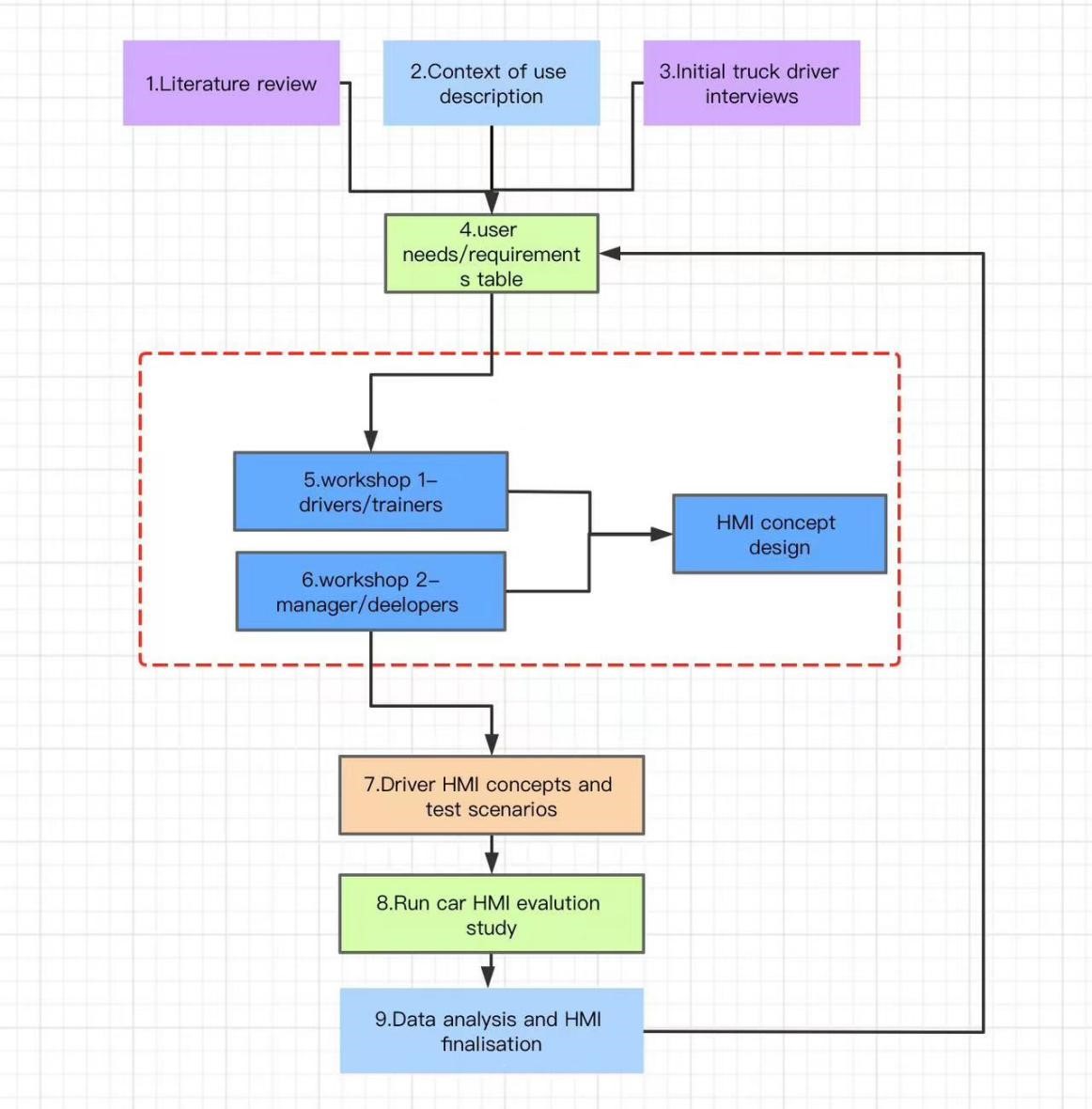
Driver fatigue and distraction is the mainest cause of indirect driving accident;with the development of automatic driving technology, self-driving car is more applications; in the process of level 3 automatic driving driver if fatigue and distraction,in time of emergency, can lead to take over not accident in time. Therefore, some researchers have designed a detection and warning system for driver fatigue and distraction in three-level autonomous driving to promote the taking-over process and thus avoid accidents. To better analyze the feasibility and disadvantages of this system, this paper reviews the designs of several current researchers. This paper first examines the System design ideas, design process , and design results in the studied literature, through the literature system design, system evaluation through the comparison of multiple literature system designs, and then combined with the above analysis process. The results of the study show that, In the studied literature,after making a take-over request (TOR) to the driver, the driver is given a tactile, auditory ,and visual multimodal warning; after the system design, the subjects were given feedback according to the people-centered idea, but there are also false alarms and failure to wake up drivers who are too deeply distracted. The multimodal warning system to wake up the tertiary fatigue and distraction in the process of automatic driving, can wake up the driver and promote the takeover process.However, there are detection errors and alarm subsequent insurance measures loopholes, still need subsequent in-depth research and improvement.
Show more
Read Article PDF
Cite