Articles in this Volume

Research Article Open Access
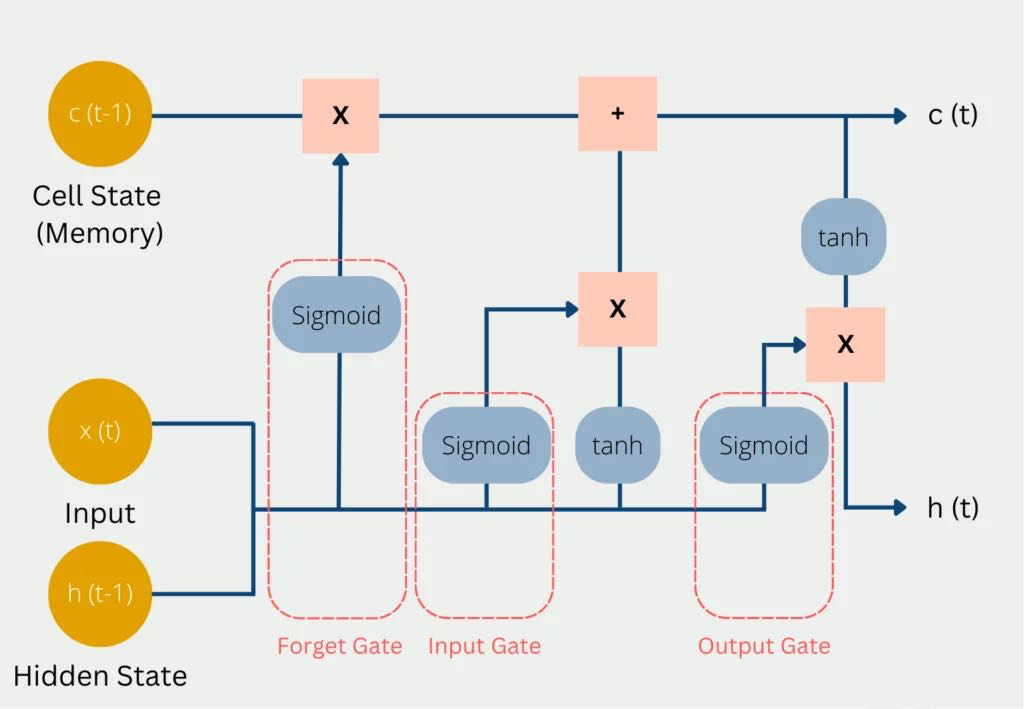
Dynamic resource allocation for virtual machine migration optimization using machine learning
Article thumbnail
This article delves into the importance of applying machine learning and deep reinforcement learning techniques in cloud resource management and virtual machine migration optimization, highlighting the role of these advanced technologies in dealing with the dynamic changes and complexities of cloud computing environments. Through environment modeling, policy learning, and adaptive enhancement, machine learning methods, especially deep reinforcement learning, provide effective solutions for dynamic resource allocation and virtual intelligence migration. These technologies can help cloud service providers improve resource utilization, reduce energy consumption, and improve service reliability and performance. Effective strategies include simplifying state space and action space, reward shaping, model lightweight and acceleration, and accelerating the learning process through transfer learning and meta-learning techniques. With the continuous progress of machine learning and deep reinforcement learning technologies, combined with the rapid development of cloud computing technology, it is expected that the application of these technologies in cloud resource management and virtual machine migration optimization will be more extensive and in-depth. Researchers will continue to explore more efficient algorithms and models to further improve the accuracy and efficiency of decision making. In addition, with the integration of edge computing, Internet of Things and other technologies, cloud computing resource management will face more new challenges and opportunities, and the application scope and depth of machine learning and deep reinforcement learning technology will also expand, opening new possibilities for building a more intelligent, efficient and reliable cloud computing service system.
Show more
Read Article PDF
Cite
Research Article Open Access
GlassOnly: Transparent object dataset for object detection
Article thumbnail
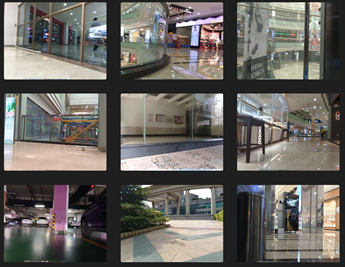
Although datasets like ImageNet have a variety of classes for object detection, there are not many samples of transparents objects like glass walls, which are fully implemented in shopping malls and houses. The ignorance of transparent objects in object detection may cause potential danger to humans as the machines would not consider glasses as obstacles in path planning. Therefore, GlassOnly collected samples from malls and apartments and built a dataset for glass walls only. The dataset sample simulates a robot walking in human living environments from a perspective of the machine itself, providing data for studying detecting transparents objects.
Show more
Read Article PDF
Cite
Research Article Open Access
Enhancing efficiency and user-centricity in architectural remodeling: A comprehensive system design for structural renovation
Article thumbnail
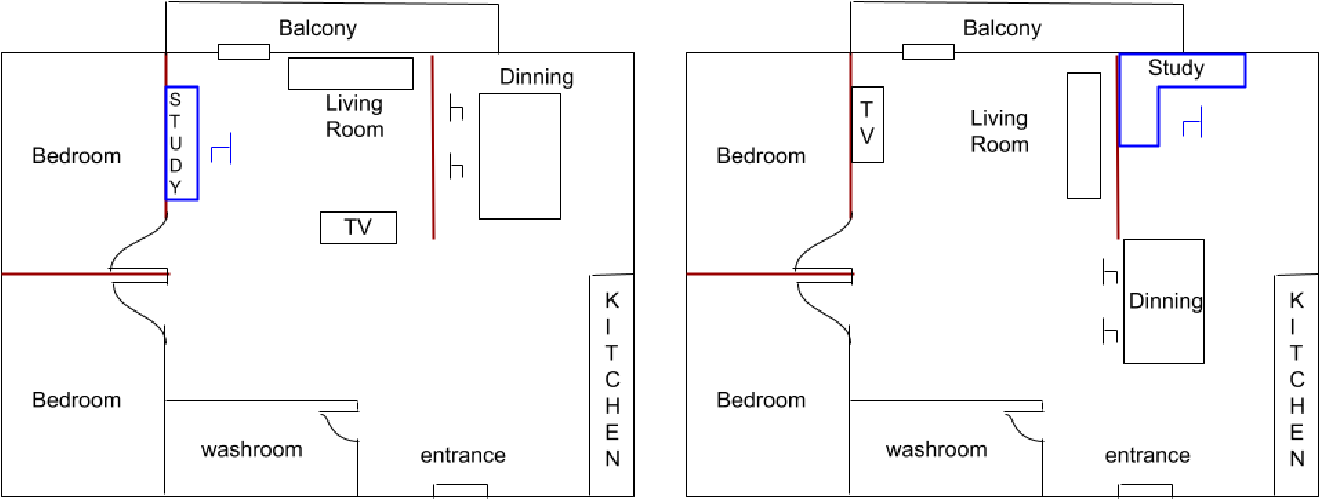
The home renovation industry has witnessed remarkable growth, driven by shifts in lifestyle necessitating adjustments in living spaces. This paper addresses critical gaps in the domain of architectural remodeling, with a particular focus on improving efficiency, referenceability, and user-centricity in structural remodeling. This research introduces a system design tailored for structural remodeling within house renovation, catering to both comprehensive and partial projects to facilitate the creation of structurally viable renovation options and optimizing them to align precisely with user requirements. The proposed system's accessibility and consideration of architectural factors set it apart. While offering substantial benefits, the system has limitations, such as the exclusion of interior furnishing styles in output solutions. In conclusion, contributes to the improvement of remodeling projects and offers a promising approach, particularly in the early stages of these endeavors.
Show more
Read Article PDF
Cite
Research Article Open Access
Dual attention-enhanced SSD: A novel deep learning model for object detection
Article thumbnail
Object detection is a fundamental task in computer vision with significant implications across various applications, including autonomous driving, surveillance, and image understanding. The accurate and efficient detection of objects within images is crucial for enabling machines to interpret visual information and make informed decisions. In this paper, we present an enhanced version of the Single Shot MultiBox Detector (SSD) for object detection, leveraging the concept of dual attention mechanisms. Our proposed approach, named SSD-Dual Attention, integrates dual attention layers into the SSD framework. These dual attention layers are strategically positioned between feature maps and prediction convolutions, enhancing the model's ability to capture informative feature representations across a wide range of object scales and backgrounds. Experimental results on the PASCAL VOC 2007 and 2012 datasets validate the effectiveness of our approach. Notably, SSD-Dual Attention achieves an impressive mean Average Precision (mAP) of 78.1%, surpassing the performance of SSD models enhanced with attention mechanisms such as SSD-ECA, SSD-CBAM, SSD-Non-local attention and SSD-SE attention, as well as the original SSD. These results underscore the enhanced accuracy and precision of our object detection system, marking a substantial advancement in the field of computer vision. Code is available at https://github.com/AlexHunterLeo/Dual-attention-Enhanced-SSD-A-Novel-Deep-Learning-Model-for-Object-Detection
Show more
Read Article PDF
Cite
Research Article Open Access
Action-Aware Vision Language Navigation (AAVLN): AI vision system based on cross-modal transformer for understanding and navigating dynamic environments
Article thumbnail
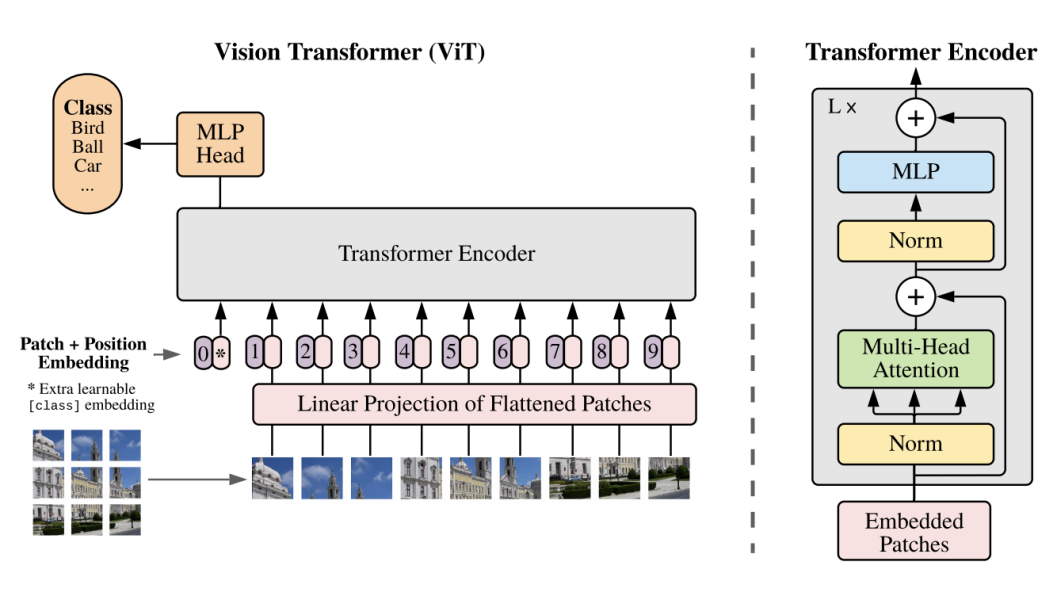
Visually impaired individuals face great challenges with independently navigating dynamic environments because of their inability to fully comprehend the environment and actions of surrounding people. Conventional navigation approaches like Simultaneous Localization And Mapping (SLAM) rely on complete scanned maps to navigate static, fixed environments. With Vision Language Navigation (VLN), agents can understand semantic information to expand navigation to similar environments. However, both cannot accurately navigate dynamic environments containing human actions. To address this challenge, we propose a novel cross-modal transformer-based Action-Aware VLN system (AAVLN). Our AAVLN Agent Algorithm is trained using Reinforcement Learning in our Environment Simulator. AAVLN’s novel cross-modal transformer structure allows the Agent Algorithm to understand natural language instructions and semantic information for navigating dynamic environments and recognizing human actions. For training, we use Reinforcement Learning in our action-based environment simulator. We created it by combining an existing simulator with our novel 3D human action generator. Our experimental results demonstrate the effectiveness of our approach, outperforming current methods on various metrics across challenging benchmarks. Our ablation studies also highlight that we increase dynamic navigation accuracy with our Vision Transformer based human action recognition module and cross-modal encoding. We are currently constructing 3D models of real-world environments, including hospitals and schools, for further training AAVLN. Our project will be combined with Chat-GPT to improve natural language interactions. AAVLN will have numerous applications in robotics, AR, and other computer vision fields.
Show more
Read Article PDF
Cite
Research Article Open Access
Keywords-based conditional image transformation
Article thumbnail
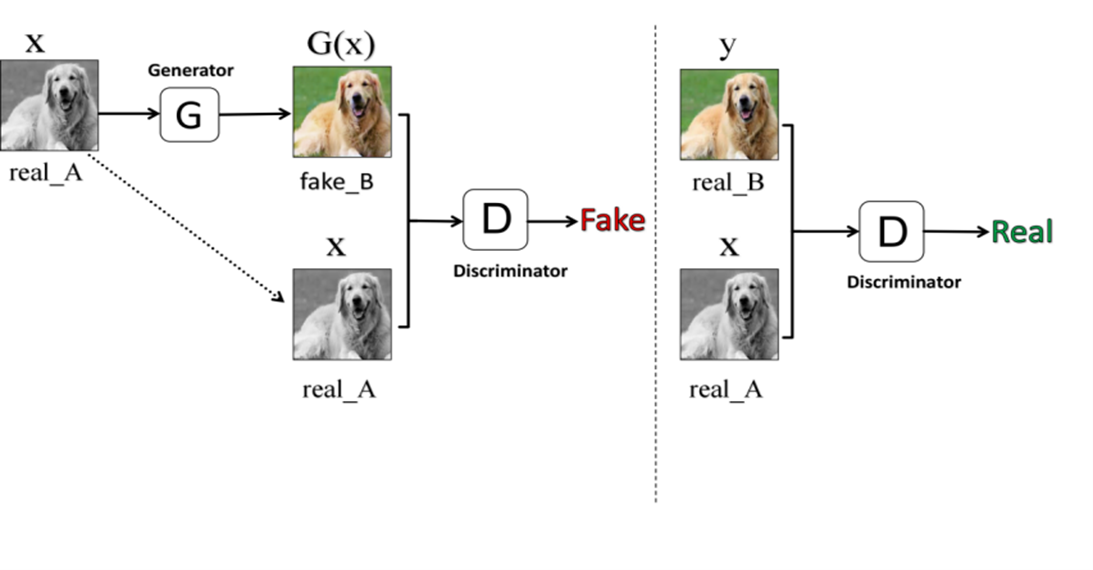
In recent years, Generative Adversarial Networks (GANs) and their variants, such as pix2pix, have occupied a significant position in the field of image generation. Despite the impressive performance of the pix2pix model in image-to-image transformation tasks, its reliance on a large amount of paired training data and computational resources has posed a crucial constraint to its broader application. To address these issues, this paper introduces a novel algorithm, Keywords-Based Conditional Image Transformation (KB-CIT). KB-CIT dynamically extracts keywords from the input grayscale images to acquire and generate training data, thus avoiding the need for a large amount of paired data and significantly improving the efficiency of image transformation. Experimental results demonstrate that KB-CIT performs remarkably well in image colorization tasks and can generate high-quality colored images even with limited training data. This algorithm not only simplifies the data collection process but also exhibits significant advantages in terms of computational resource requirements, data utilization efficiency, and personalized real-time training of the model, thereby providing new possibilities for the widespread application of the pix2pix model.
Show more
Read Article PDF
Cite
Research Article Open Access
Integrates Differential Gene Expression analysis and deep learning for accurate and robust prostate cancer diagnosis
Article thumbnail
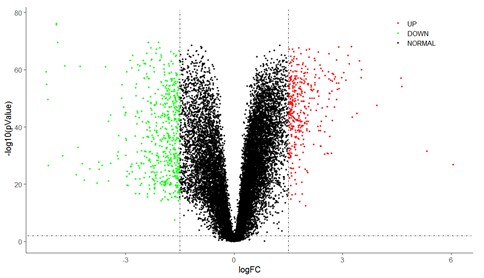
The challenge of diagnosing complex diseases and increasing human lifespan is a pressing task. Traditional methods, relying on visual characteristics like ultrasound and angiography, often struggle to detect cancer in its early stages, limiting diagnostic accuracy due to the intricate and nonlinear nature of diseases. From the perspective of gene expression, detecting cancer offers a more robust and effective approach due to its ability to directly assess the genetic activity within cells. In this study, we present the development of a prostate cancer feature selection method based on differentially expressed genes (DEGs). Utilizing datasets from the Gene Expression Omnibus (GEO) and The Cancer Genome Atlas (TCGA), we meticulously curated data for both model training and testing, implementing stringent filtering criteria based on p-value and fold change. Our study identifies a panel of 220 genes with substantial potential for prostate cancer detection. We then construct an ANN model for the diagnosis of the disease, whose accuracy is 0.78±0.01, which is more effective than other models like Ridge Classifiers, Logistic Regression, Naive Bayes Regression and Decision Trees. The average accuracy of these classifiers is 0.73±0.01. Notably, these genes also demonstrate exceptional performance across other various classifiers, indicating their robustness and effectiveness without dependence on specific models. The credibility is validated by comparison to random genes, and adaptability by using pancreatic cancer data from GEO. The Gene Otology analysis also verifies the feasibility of such method. This panel establishes a solid foundation for advancing clinical diagnostics of prostate cancer. This framework holds potential to significantly transform prostate cancer screening by offering strong resilience and precision across multiple classification methods.
Show more
Read Article PDF
Cite
Research Article Open Access
Unraveling the characteristics of Parkinson's Disease through neuroimaging: Insights and future directions
Parkinson's disease (PD) is a neurodegenerative disease with a high degree of patient heterogeneity, and as of 2016 there are approximately 6.1 million PD patients worldwide. PD has a high proportion of patients with intermediate to advanced disease and a high rate of disability, and clinical diagnosis and treatment are difficult due to the lack of neuromarkers to identify disease states and the inability to quantify the effects of treatment in PD. In recent years, many researchers have explored specific changes in brain activity in PD based on electrophysiological and neuroimaging data. Electroencephalography, with its high temporal resolution and rich frequency domain information, and functional magnetic resonance imaging, with its high spatial resolution, have become the main tools to characterize the state of brain activity in PD in recent years. This paper analyses some of the available data on the characteristics of PD through two neuroimaging techniques commonly used in the disease. It concludes with the prospect of being able to establish uniform criteria for determining PD.
Show more
Read Article PDF
Cite
Research Article Open Access
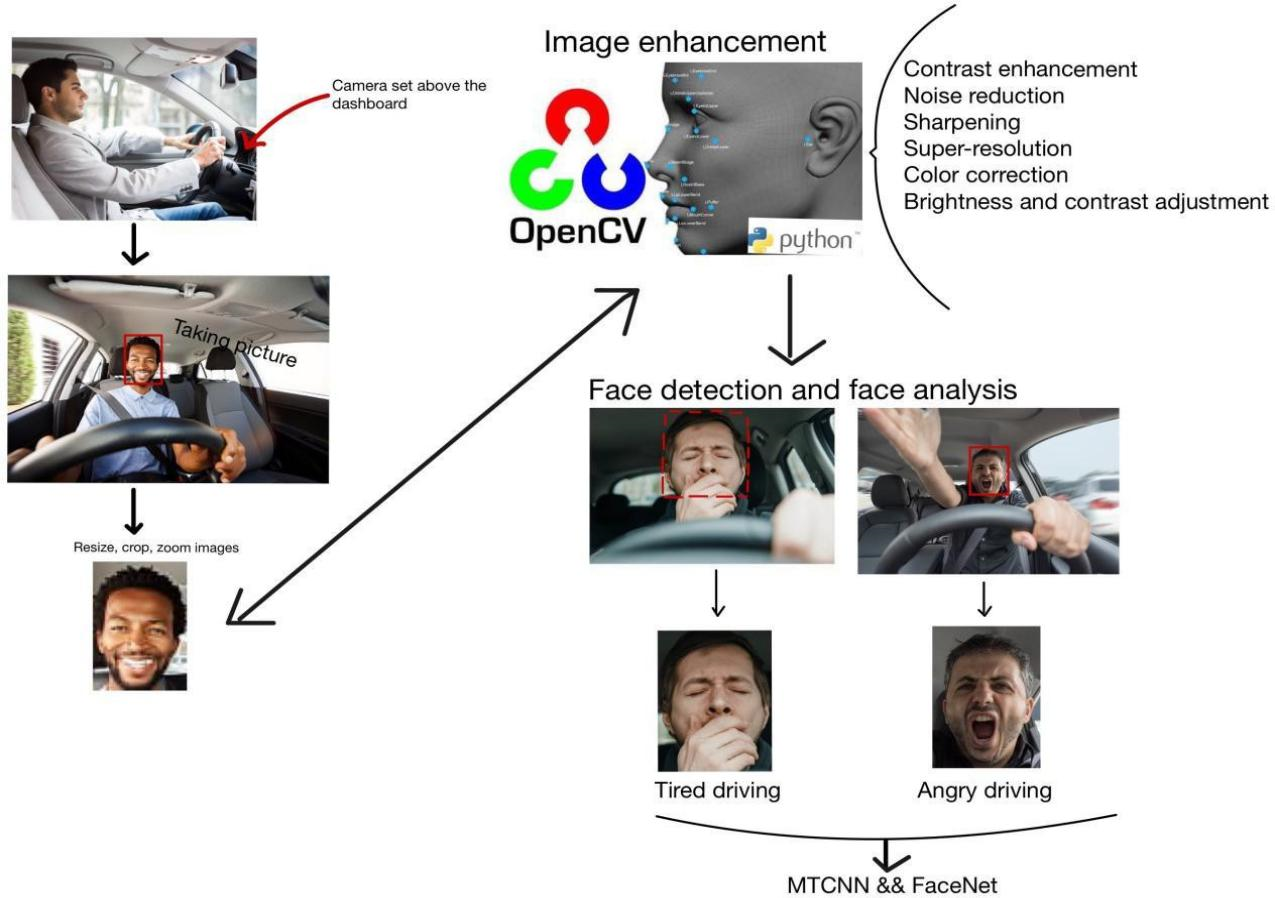
Enhancing automotive interior automation through face analysis techniques
Article thumbnail
In contemporary society, the progress and widespread adoption of automotive automation, particularly in autonomous driving technology, have been remarkable. The rapid evolution of this technology has equipped numerous vehicles with high-stability autonomous capabilities, significantly enhancing convenience for users. However, as autonomous driving continues its developmental trajectory, it is crucial to give equal attention to the advancement of interior automation technologies within vehicles. Exploring avenues that make these automated technologies smarter, safer, and more conducive to delivering heightened convenience and support to users is imperative. This realm presents a domain ripe with potential for innovation and substantial advancements that cater to the evolving needs and expectations of modern transportation.
Show more
Read Article PDF
Cite
Research Article Open Access
Research on confusing responses based on ChatGPT
Recently, Artificial intelligence and Machine learning have changed the nature of scientific inquiry, with chatbots moving from rule-based technology to AI technology. Open AI’s ChatGPT is a prominent AI language model that has attracted great interest and attention since its launch. To better understand its role and influence in social life, it is very necessary to know its work carefully. This paper briefly introduces the development history, current situation, and future development of the ChatGPT, discusses its popular application fields, and analyzes its pros and cons. On this basis, some problems that still exist in the application are focused on. This study uses the case analysis method to emphasize the confusing responses of ChatGPT in multiple fields, telling people that while enjoying its powerful functions, should still pay attention to its side effects and risks, the most obvious one is deceptive behavior, providing users with misleading or fabricated information may further lead to other social problems. This study speculates on the future development of ChatGPT and proposes future development directions. Generally, by rationally utilizing the functions of ChatGPT, its potential in various fields can be better released, thereby promoting the advancement of conversational AI and its transformative impact on society.
Show more
Read Article PDF
Cite