Articles in this Volume

Research Article Open Access
Chinese dragon modeling based on Openscad
Article thumbnail
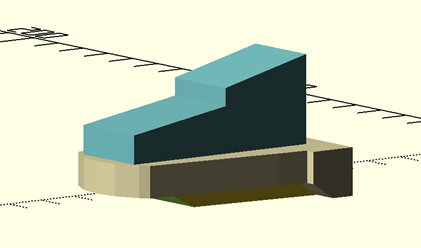
Nowadays, 3D modeling technology has become a vital link between modern technology and traditional culture. The question of how to replicate and innovate traditional cultural elements using advanced computer graphics (CG) technology has become a topic worthy of exploration. Therefore, this paper aims to discuss how to construct a dragon model rich in Chinese traditional characteristics through the powerful 3D modeling tool OpenSCAD, to demonstrate the potential of integrating modern modeling technology with Chinese traditional cultural elements. The paper first introduces the basic features of OpenSCAD and its potential applications in constructing complex 3D models, followed by a detailed discussion on the design concept, modeling process, and technical details of the Chinese dragon model, including the dragon's posture, detail depiction, and color coordination. Ultimately, a digitally rendered Chinese dragon with profound traditional aesthetic sensibilities was successfully created. The experimental evaluation results garnered widespread recognition from evaluators, particularly in terms of appearance.
Show more
Read Article PDF
Cite
Research Article Open Access
A DNN-based diagnosis on autism spectrum disorder in children
Article thumbnail
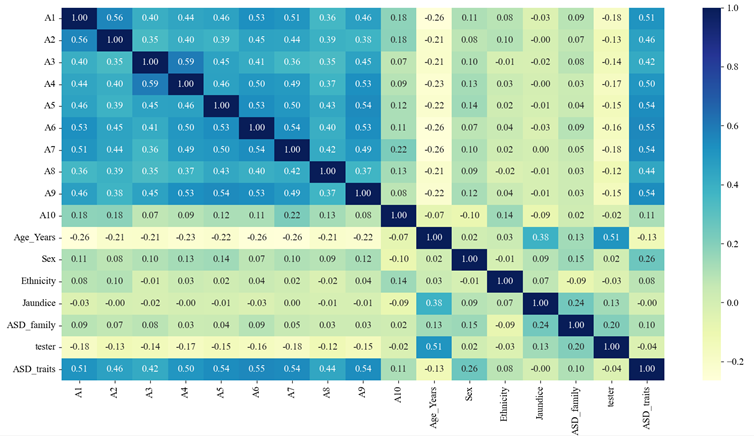
The prevalence of autism spectrum disorder (ASD) witnesses a sharp increasing in recent years, and early diagnosis and intervention of ASD are critically needed. This study explored the efficacy of Deep Neural Networks (DNN) in diagnosing ASD among children aged 0 to 10. Utilizing the latest dataset derived from the ASDTests mobile application, which encompasses behavioral characteristics of over 2,000 children, we implemented a DNN model to capture complex non-linear patterns indicative of ASD. The results of comparative analysis with traditional machine learning models revealed DNN's superior accuracy in predicting ASD, indicating that the DNN achieved a significant improvement in identifying minority classes post-imbalance learning treatment. The promising results, including the 99.55% accuracy rate, paved the way for future investigations into integrating DNN with multimodal data analysis and other advanced algorithms to enhance early diagnostic processes and intervention strategies for ASD.
Show more
Read Article PDF
Cite
Research Article Open Access
Investigating the capability of recurrent neural networks for identifying text-based cyberbullying incidents on social platforms
Article thumbnail
As cyberbullying escalates worldwide, the emotional toll on those targeted is profound, demanding attention. This question allows the framing of the detection of cyberbullying as a categorization puzzle, leveraging a spectrum of detection strategies from classical machine learning to advanced deep learning techniques via Natural Language Processing (NLP). It zeroes down to that capability which characterizes RNNs in parsing sequential data and interpreting the contextual nuances. This hence underscores their effectiveness and accuracy in the flagged detection of cyberbullying content. Directly compared to classical algorithms, it shows the best performance of RNN regarding accuracy, speed, and universality over different languages. The overall result of this research does, therefore, affirm the very strong promise and effectiveness of RNN frameworks toward the discrimination of cyberbullying across the various linguistic online environments, setting a firm ground for further development in cybersecurity.
Show more
Read Article PDF
Cite
Research Article Open Access
Real-time body movement tracking of athletes via a CNN-based approach
Article thumbnail
Sports injuries frequently stem from improper poses and movements. This paper explores the potential of using video and deep neural network model in mitigating such risks. A novel real-time body movement tracking system is designed to enable athletes to analyze and refine their techniques without the need for intrusive sensors. Central to our approach is the development of a user-friendly graphical interface, facilitating the effortless display and examination of tracked movements. This system not only enhances athletic performance but also aims to significantly reduce the sports injuries.
Show more
Read Article PDF
Cite
Research Article Open Access
Development and validation of a CNN-based model for Malaria Cell Detection
Article thumbnail
Malaria remains a great threat to the African continent and the world at large, and accurate Plasmodium detection and treatment are the most effective means of preventing the progression of mild malaria into severe disease and into death finally. However, manual operations and diagnosis face the challenge of individual and geographic heterogeneity. In order to solve this problem, this study proposed a Convolutional Neural Networks (CNN) based model for malaria cell detection, and the model can automatically recognize cell appearance and distinguish infected cells from uninfected cells, leading to an accurate and effective cell classification. The research results showed that CNN has better performance in malaria cell recognition compared with the traditional integrated learning model, and the optimized CNN algorithm achieved an accuracy of 98.29% compared with the average accuracy of integrated learning algorithms of 80.29%, which can effectively solve the problem of wrong and missed detection of in malaria cell detection
Show more
Read Article PDF
Cite
Research Article Open Access
The prediction of Parkinson's disease based on Pearson coefficient feature screening and machine learning
Article thumbnail
Parkinson's disease is a common and severe type of brain disease. Its incidence rate is relatively high among brain diseases. At present, there is no very effective treatment for Parkinson's disease. So researchers have focused on diagnosing Parkinson's disease. At present, machine learning methods have been applied in the medical field and have played a very positive role in the diagnosis of diseases. It has been proven that analyzing the patient's voice and trembling condition through machine learning can accurately diagnose Parkinson's disease. In this study, before training the model, we used the Pearson coefficient feature screening method to improve the accuracy of diagnosis. Then, we conducted training on six major models (Random Forest, GBDT, Adaboost, Logistic Regression, Decision Tree, XGboost) in order to find the model with the best performance. In this study, we found that the performance of Random Forest is the best in these models (Accuracy: 91.53%, recall: 100%), then is the GBDT model (Accuracy: 91.53%, recall: 97.78%). The other four models all have a great disparity on accuracy and recall, which are the two most important metrics on the detection of diseases. The research results have demonstrated that the feature selection method based on Pearson's coefficient indeed comprehensively improves the accuracy of diagnosis for Parkinson's disease. And we also found that in the process of diagnosing Parkinson's disease, the performance of the Random Forest and GBDT models is the best.
Show more
Read Article PDF
Cite
Research Article Open Access
A brain tumor diagnosis approach based on deep separable convolutional networks and attention mechanisms
Article thumbnail
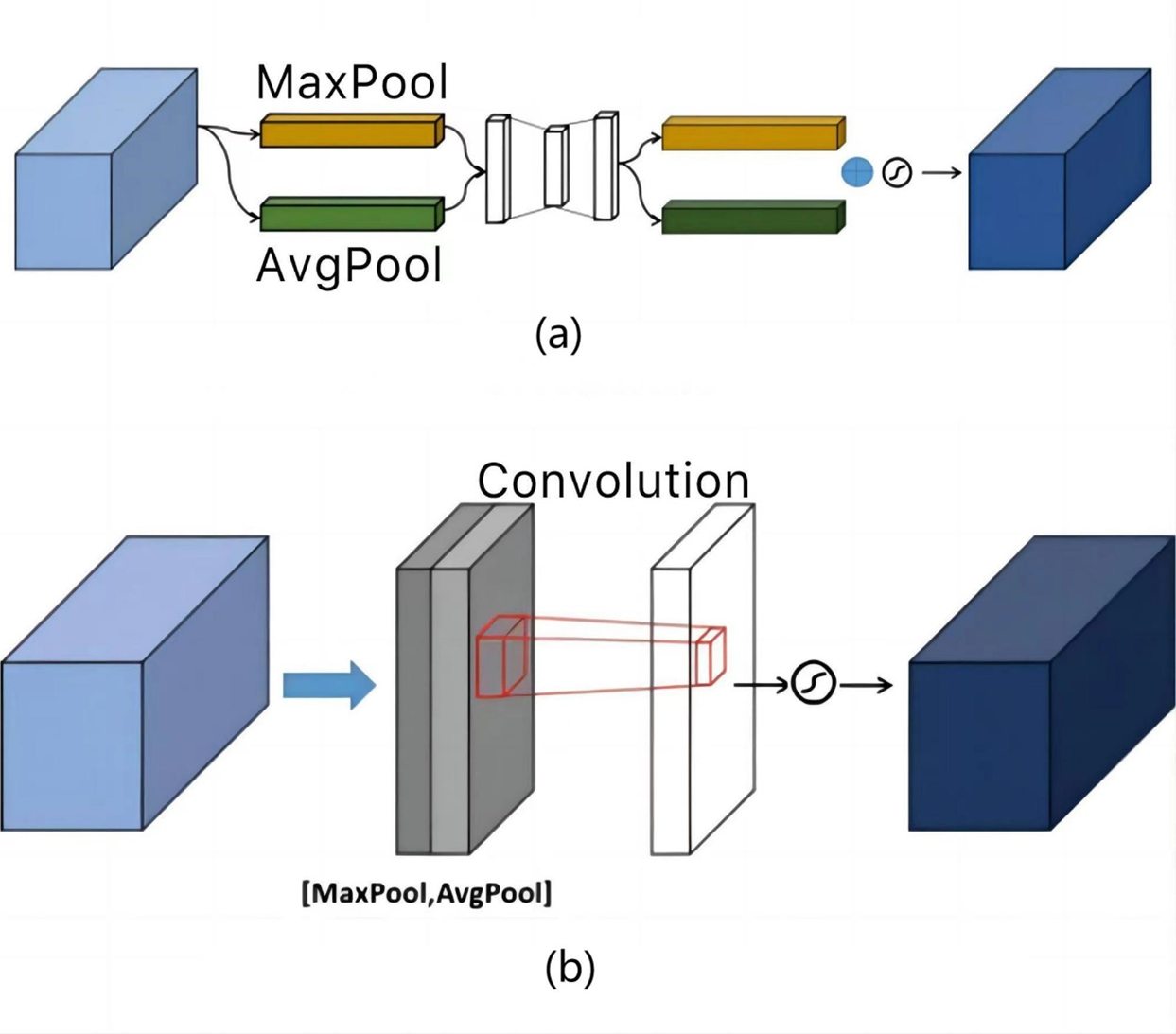
Brain tumors rank among the most lethal types of tumors. Magnetic Resonance Imaging (MRI) technology can clearly display the position, size, and borders of the tumors. Hence, MRI is frequently used in clinical diagnostics to detect brain tumors. Deep learning and related methods have been widely used in computer vision research recently for diagnosis and classification of MRI images of brain tumors. One trend is to achieve better performance by increasing model complexity. However, at the same time, the trainable parameters of the model increases accordingly. Too many parameters will lead to more difficult model training and optimization, and are prone to overfitting. To address this problem, this study constructs a model that incorporates a depthwise separable convolution technique and an attention mechanism to balance model performance and complexity. The model achieves 97.41% accuracy in the brain tumor classification task, which exceeds the 96.72% accuracy of the pre-trained model MobileNetV2, and shows good image classification ability. Future work could test the model's classification results on noisy images and investigate how to optimize the model's generalization ability.
Show more
Read Article PDF
Cite
Research Article Open Access
Research and implementation of three-dimensional modeling techniques for Chinese dragon
Article thumbnail
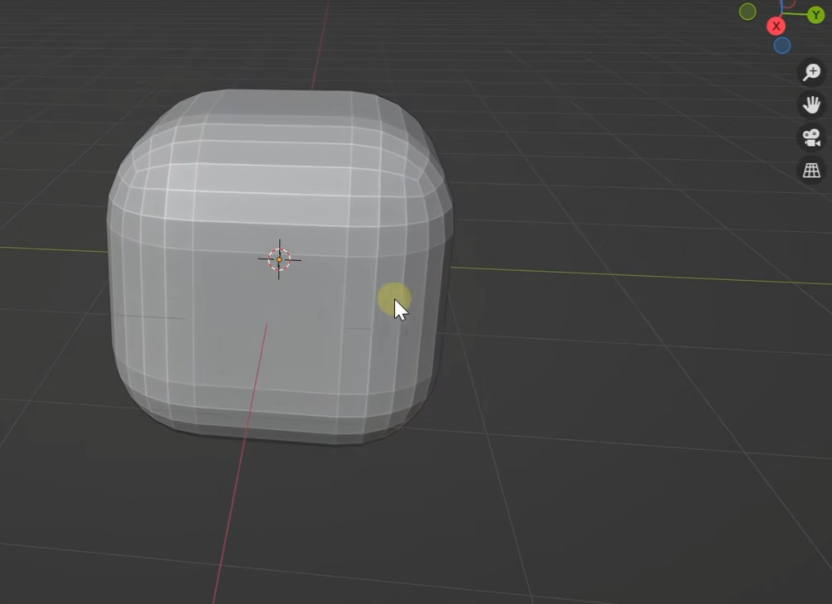
This paper delves into a new trend in the field of computer science, which involves a shift from complex code editing techniques of the past towards more intuitive visual software applications. Under this trend, modeling and rendering techniques have undergone long-term development and continuous iteration, becoming indispensable tools across various domains. Using the construction of a Chinese dragon model as a case study, this paper showcases the application and development of this new trend through a detailed description of the selected software tools' characteristics, classification of production steps, and the modeling process. Special emphasis was placed on shaping key details such as the dragon's body contour, scales, eyes, etc., during the dragon model construction process, as well as how these details are manifested in software applications. Software selection and utilization were carefully aligned with practical needs and technical features to ensure the efficiency and accuracy of the modeling process. In-depth research into the modeling process revealed the potential and advantages of this new technology, receiving widespread acclaim and recognition.
Show more
Read Article PDF
Cite
Research Article Open Access
The application and algorithm of fabric simulation in game industry
Article thumbnail
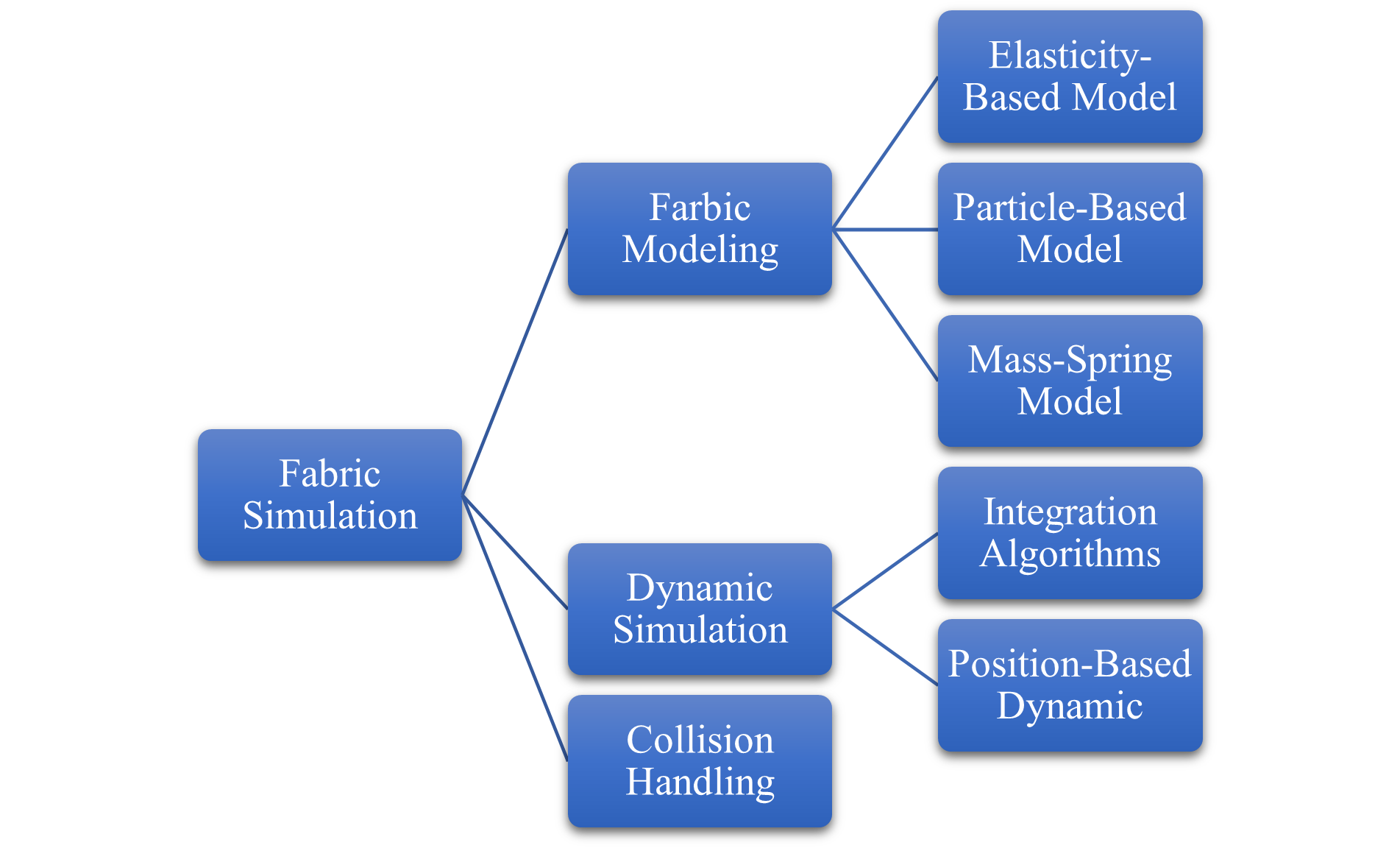
fabric simulation has emerged as a crucial aspect of computer graphics, particularly in applications such as film production, video games, and design. This paper provides a comprehensive review of fabric simulation methodologies, implementation techniques, and its diverse applications within the game industry. The fabric simulation algorithms are broken down into Fabric Modeling, Dynamic Simulation, and Collision Handling. The three common modeling strategies of Elasticity-Based Models, Particle-Based Models, and Mass-Spring Damper Models, are discussed in detail. Additionally, dynamic simulation strategies such as Position-Based Dynamics (PBD) and Extended Position-Based Dynamics (XPBD) are explored for their role in real-time simulations, particularly in the game industry. The paper also delves into collision handling algorithms, exploring the strategies for accurate collision detection and response. The application of fabric simulation in the game industry is highlighted, showcasing how it enhances realism and immersion by simulating fabric movement and interactions with the environment. The paper introduced various fabric simulation tools and systems within popular game engines like Unity 3D and Unreal Engine 5. Furthermore, optimization strategies, such as view-dependent adaptive simulation, are discussed to improve performance providing insight for future work.
Show more
Read Article PDF
Cite
Research Article Open Access
Cardiovascular disease prediction based on Stacking integrated strategy
Article thumbnail
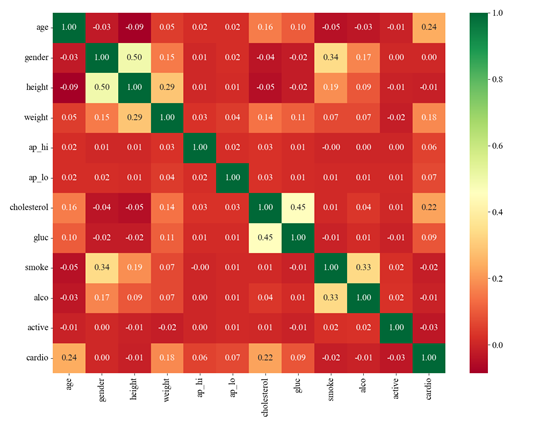
According to the report of the World Health Organization, cardiovascular disease causes at least 17.1 million deaths worldwide every year, ranking second among the top ten causes of death for many years, and is still a problem to be solved in China and even in the world. No less dangerous than cancer on the list. Early diagnosis is of great significance for patients with cardiovascular diseases, which can diagnose patients with cardiovascular diseases as early as possible to achieve the purpose of early treatment and reduce the cost and pain of patients. In order to achieve accurate early diagnosis of cardiovascular diseases, Logistic Regression, Decision Tree, Random Forest, Gradient Boosting (GBDT), Adaptive Boosting (AdaBoost), eXtreme Gradient Boosting (XGBoost), Deep Neural Network (DNN), and Stacking integrated models were used to predict cardiovascular diseases. The comparison results showed that the Stacking model is the optimal prediction model. The precision reached 86.80%, the recall reached 84.78%, and the f1 reached 85.76%. The proposed model can be used in cardiovascular disease prediction to reduce the incidence of cardiovascular disease.
Show more
Read Article PDF
Cite