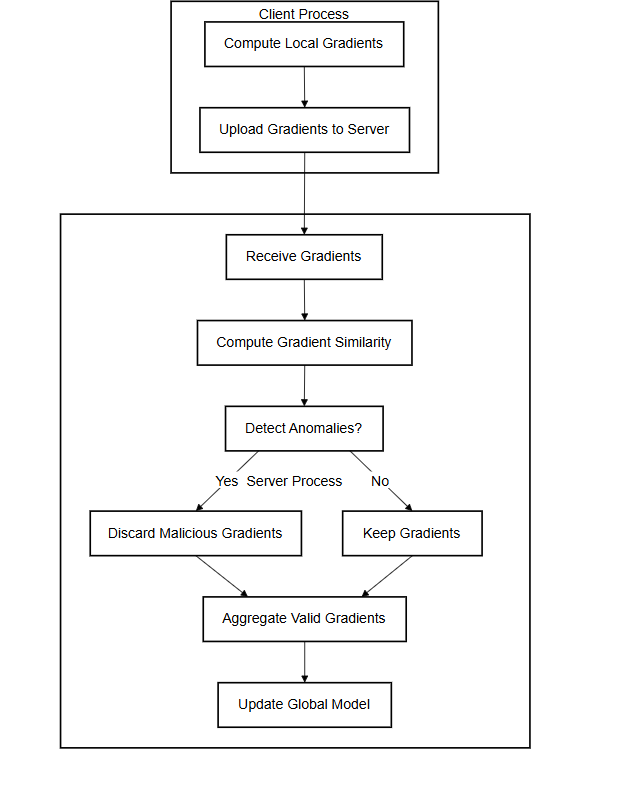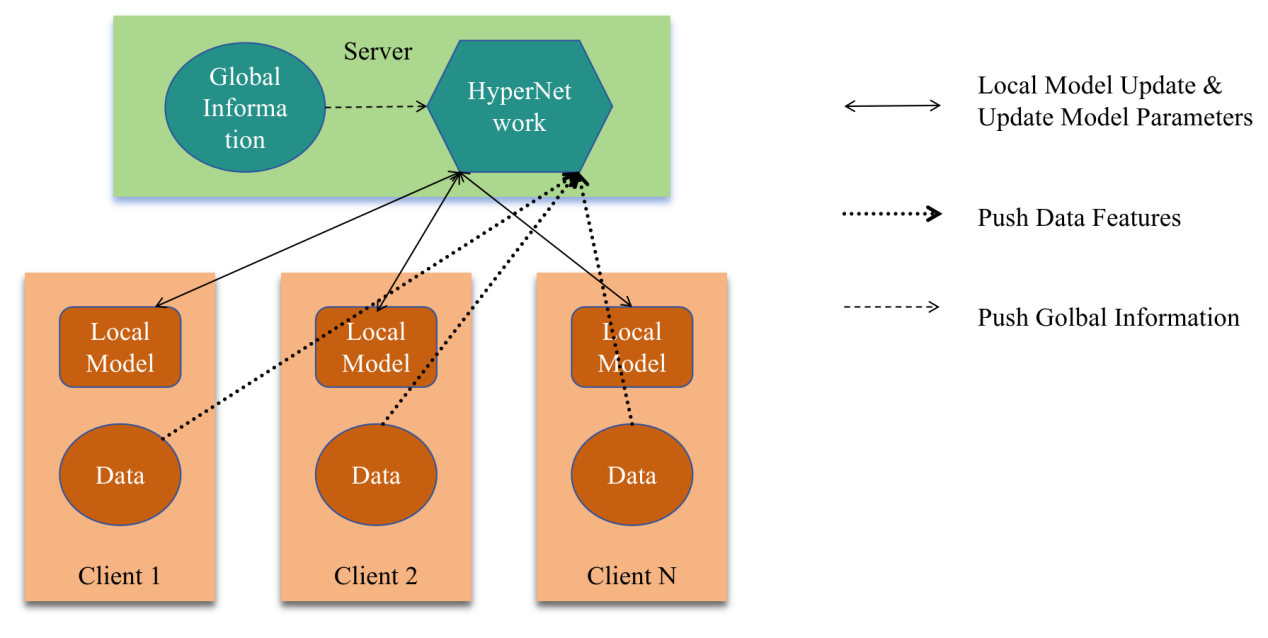
As data privacy becomes more vital and data heterogeneity prevails in image classification, personalized federated learning optimization algorithms have come to the fore as an essential solution. These algorithms enable multiple clients to train personalized models while maintaining the privacy of their data, thus enhancing the performance of image classification. This study is targeted at conducting a thorough comparison among various personalized federated learning optimization algorithms when it comes to image classification. The proposed method follows a comparative study framework, where a global model is initialized and made available to multiple clients. Each client trains a personalized model using specific algorithms that incorporate both local data and the global model. The server then aggregates model updates according to the respective rules until convergence, with accuracy serving as the primary performance metric. Experiments were performed using the Canadian Institute for Advanced Research (CIFAR)-10 dataset, with the outcomes revealing varying test accuracies for algorithms as the number of clients changes. The findings demonstrate that each algorithm handles data heterogeneity and client numbers differently, showcasing their respective strengths and weaknesses in terms of accuracy, overfitting prevention, and adaptability to local data. These insights provide a solid foundation for selecting appropriate algorithms in practical scenarios.