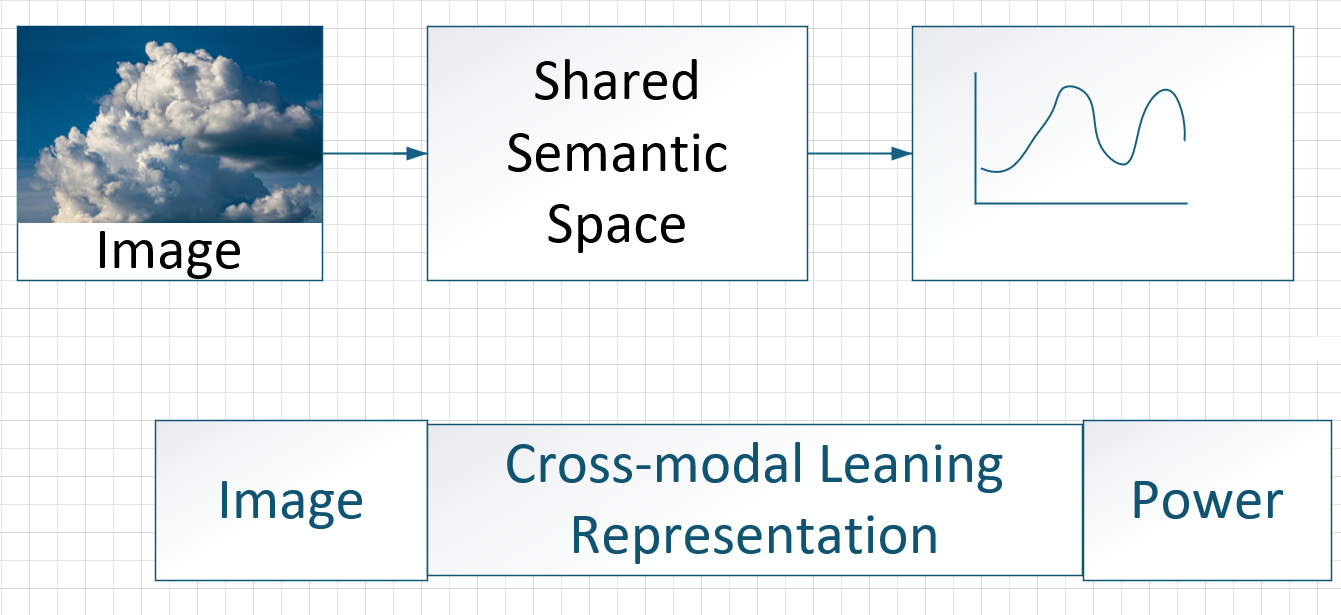
Under the backdrop of the "carbon neutrality" goal, the integration of the integrated energy system (IES) and MMAI is expected to become a key research direction.Firstly, IES plays a significant role in optimizing energy allocation, promoting the intelligent transformation of energy, and enhancing energy utilization efficiency. However, it still has issues such as complexity, multiplicity, and uncertainty. Secondly, the optimization methods of traditional integrated energy systems encounter numerous problems when dealing with high-dimensional, heterogeneous, and time-varying multimodal data, including excessively high computational complexity and difficulties in handling heterogeneous data.Therefore, Therefore, the introduction of MMAI technology is required the system's ability to handle the complexity and diversity of data. This paper adopts the research approach of "theoretical analysis - architecture construction - mechanism explanation - challenge outlook" to explore the integration mechanism of multimodal AI in IES. Research has shown that MMAI can achieve efficient processing and rapid adaptation of multimodal data through a closed loop of "perception - cognition - decision - control", thereby enhancing the intelligence level of the system. However, the technological development of MMAI integrated with IES still faces multiple challenges. To address these challenges, in the future, our research efforts should be focused on the data level, algorithm level, and system level. This technology has multiple research directions, such as developing lightweight and interpretable multimodal fusion models, constructing an IES multimodal open benchmark dataset and simulation platform, and exploring new paradigms for the integration of physical mechanisms and data-driven approaches.