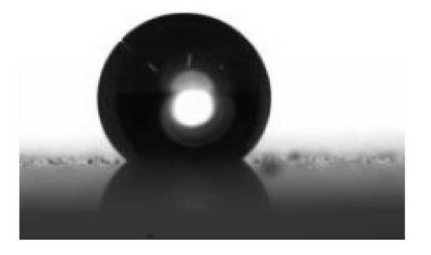
Hydrophobic membranes are increasingly being recognized for their versatile applications across a wide range of fields, including corrosion protection and separation processes. Their ability to repel water and resist fouling makes them highly valuable for enhancing the durability and extending the service life of various industrial, consumer products and so on. This paper conducts a comprehensive review of the preparation methods for different types of hydrophobic membranes, based on an analysis of relevant existing literature. The study places particular emphasis on current societal and industrial priorities, exploring how these membranes are utilized in key areas such as corrosion resistance, chemical separation, and marine engineering. Furthermore, it delves into the fundamental mechanisms that underpin their hydrophobic properties. This review reveals that significant advancements have been made in the development of diverse fabrication techniques for hydrophobic membranes. Notably, there is a growing trend toward more environmentally friendly and sustainable preparation methods, aligning with global green chemistry initiatives. Moreover, the application of hydrophobic membranes is expanding beyond heavy industry into everyday products and scenarios, indicating their growing integration into daily life and their potential to contribute to more durable, efficient, and sustainable technologies in the future.