Articles in this Volume

Research Article Open Access
Application and performance analysis of advanced materials in engine lightweight
Article thumbnail
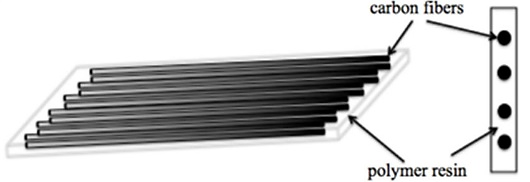
This paper discusses the application and performance analysis of advanced materials in engine lightening. Firstly, we analyze the properties of high performance aluminum alloy, titanium alloy and composite materials, including their composition, mechanical properties and high temperature resistance. Then, the practical application effects of these materials in key components such as automobile and aero-engine are analyzed through concrete cases. For example, the introduction of micronutrient and improvements in heat treatment processes have significantly increased the strength and corrosion resistance of high-performance aluminium alloys. Titanium alloy is widely used in the key parts of aero-engine because of its high strength and light weight, which greatly improves the performance of engine. The low density and high strength of the composite make it an ideal choice for reducing engine weight. Finally, we discuss the current challenges and future directions, and explore solutions to reduce costs, improve processing efficiency and develop new alloys, in order to provide guidance and reference for the further development of engine lightweight technology.
Show more
Read Article PDF
Cite
Research Article Open Access
Chemical preparation methods of MXenes materials and exploration and application of their chemical mechanisms
Article thumbnail
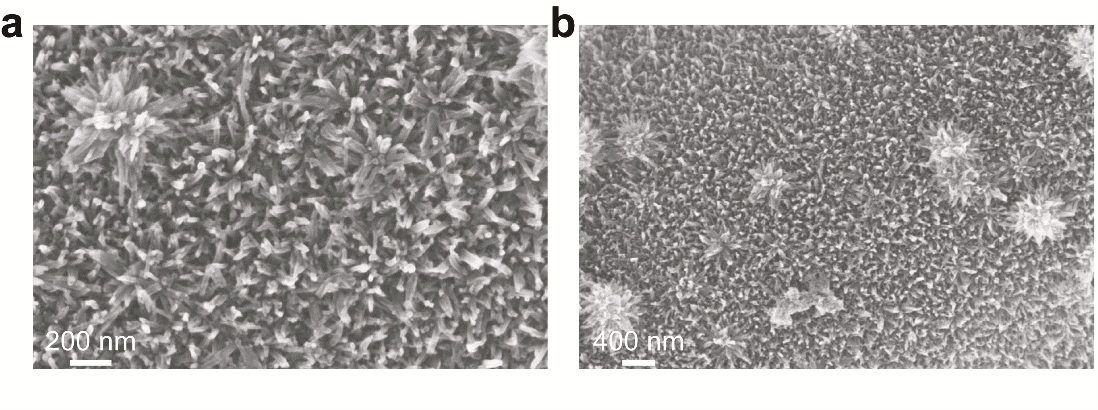
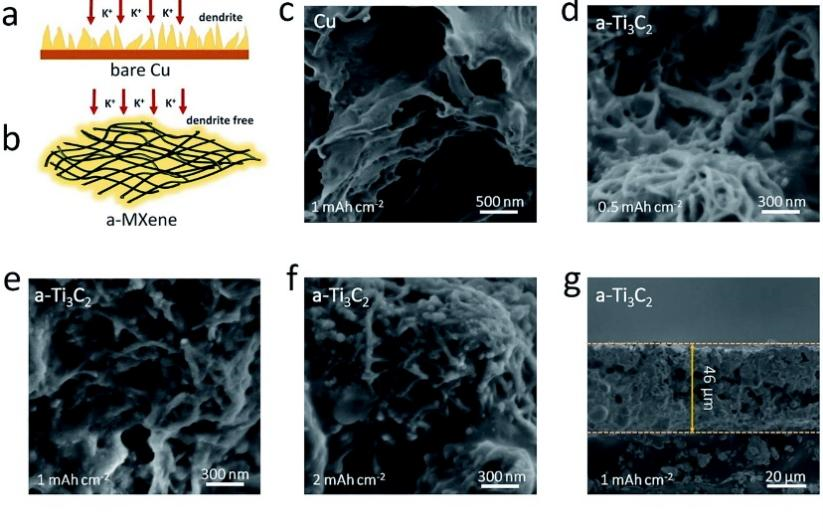
As a new generation of 2D materials, MXenes have demonstrated various application prospects in fields such as energy storage, electromagnetic interference shielding, sensing devices, medicine, seawater desalination, and environmental restoration due to their rich functional groups, adjustable interlayer spacing structure, and high electrical conductivity. In recent years, this has led to widespread exploration and research from the outside world. This article mainly focuses on the latest developments in the production of MXenes by Chemical Vapor Deposition (CVD) method, and briefly discusses the pseudocapacitive effects and photovoltaic effects of MXenes materials within the energy storage domain, highlighting their outstanding performance in potassium-ion supercapacitors and perovskite solar cells in the photovoltaic field.
Show more
Read Article PDF
Cite
Research Article Open Access
Preparation of photoreactive cathodes from copper-based metal-organic frameworks and their application in aqueous zinc-ion hybrid supercapacitors
Article thumbnail
To further enhance the energy density of aqueous zinc-ion hybrid supercapacitors, this paper verifies the feasibility of using copper catecholate (Cu-CAT) — a copper-based metal-organic framework (MOF) characterized by strong broadband light absorption, good electrical conductivity, and a large specific surface area — as a photoactive material. When used as the photoactive cathode in a Zn//Cu-CAT@CC aqueous zinc-ion hybrid supercapacitor, it can convert and store solar energy in the electrodes. Under sunlight, at a current density of 1 mA cm−2, the device's areal capacity reaches 0.162 mAh cm−2, an 89.1% increase over the storage capacity without light. This not only opens up new areas for the application of Cu-CAT materials but also offers more possibilities for the development of aqueous zinc-ion hybrid supercapacitors.
Show more
Read Article PDF
Cite
Research Article Open Access
Maximizing project efficiency and collaboration in construction management through Building Information Modeling (BIM)
Article thumbnail
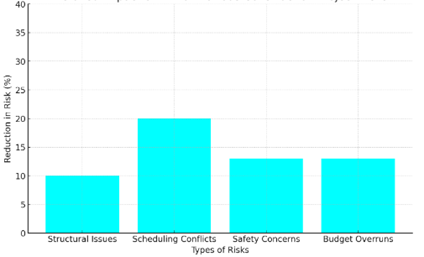
Building Information Modeling (BIM) represents a transformative approach in construction management, significantly enhancing project efficiency, stakeholder collaboration, and economic performance. This paper examines the integration of BIM across different phases of the construction project lifecycle, including pre-construction planning, resource allocation, and risk management. Utilizing quantitative analyses and empirical data, we explore how BIM facilitates precise planning, optimizes resource usage, and proactively manages project risks. Furthermore, the paper discusses BIM’s pivotal role in improving stakeholder communication, coordinating workflows, and enhancing decision-making processes. By detailing BIM’s impact on cost reduction, time savings, and return on investment, the study highlights its capacity to drive financial performance and stakeholder satisfaction in construction projects. The findings suggest that BIM not only streamlines project management but also significantly boosts profitability and efficiency.
Show more
Read Article PDF
Cite
Research Article Open Access
The synthesis of multi-level porous MOF composite materials with different MOF contents
Article thumbnail
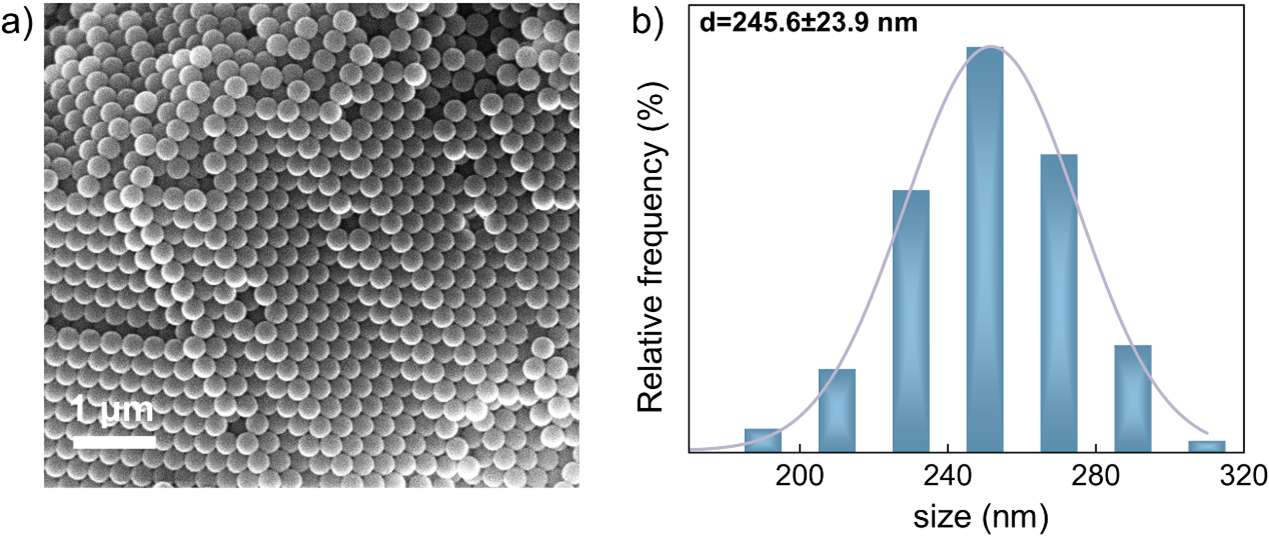
To address the inherent limitations of current MOF synthesis, where pore size is restricted to micropores or small mesopores, we successfully synthesized MOF composite materials with well-developed porous structures using a self-template approach. These pores encompass not only the intrinsic micropores or small mesopores of MOFs but also the template-induced large pores. During the experimental process, we achieved the synthesis of composite materials with varying MOF contents by modifying experimental conditions. Through this design, we not only achieved selective adsorption of guest molecules but also significantly increased the porosity, thereby enhancing the mass transfer efficiency of guest molecules and the utilization rate of materials. This research breakthrough offers new insights and solutions for addressing critical issues in fields such as gas separation, energy storage, and catalysis.
Show more
Read Article PDF
Cite
Research Article Open Access
Application prospects of graphene in environmental science
Article thumbnail
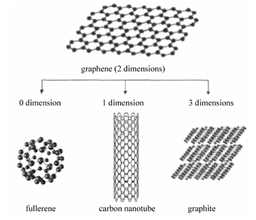
Nanomaterials and graphene, as cutting-edge materials, have play a crucial role in environmental governance. The introduction of nanomaterials brings new hope to environmental governance. Graphene not only improves the efficiency and cost-effectiveness of water treatment but also drives innovation and development in environmental technologies. This article provides a summary and analysis review starting from the characteristics of nanomaterials and Graphene, comprehensively reviewing Graphene’s advantage in environmental technologies and discovered its application in this area. The research summarized the conclusion that Graphene’s characteristics make it suitable for addressing environmental issues such as water pollution, its composites can play an important role in water treatment process including water purification, heavy metal adsorption, organic compound adsorption and removal through different preparation and reaction mechanisms. By introducing Nanopore structures and artificially designed stacking structures on graphene membranes, the permeation performance could be modulated and improved. By the way of physical and chemical adsorption, ion exchange, electrochemical and photocatalysis, Graphene and its oxide could be applied to remove heavy metal ion and organic substances from polluted water. The article also introduced the main preparation methods of Graphene and its potential secondary pollution problem. This article provides valuable insights for scientific research and engineering practices in environmental protection and sustainable development.
Show more
Read Article PDF
Cite
Research Article Open Access
Flexible nanomaterial sensors for non-invasive health monitoring
Article thumbnail
According to the Center for Disease Control (CDC), diabetes is the eighth leading cause of death in the United States, while about 1 in 5 patients are unaware that they have been affected. Current detection methods are crude, using rudimentary pricking methods that require needles and being unconventional for continuous tracking, this strongly discourages people from early detection and management. Therefore, developing a non-invasive glucose monitoring technique is of utmost importance. The primary objective of this research is to address the limitations of existing glucose monitoring techniques through the development of nanomaterial sensors seamlessly integrated into wearable devices. A novel two-dimensional material, GeSe, is chosen for its flexibility and optical responsivity. Flexible polarimetric sensors are developed using a facile direct-transfer method. These sensors aim to provide accurate and non-invasive monitoring of blood glucose levels through measuring the light polarization after interaction with glucose molecules. To ensure reliability, the sensors are calibrated using glucose solutions with known concentrations. A machine-learning algorithm is developed to improve measurement accuracy. Rigorous testing of the nanomaterial sensors is conducted in comparison to traditional blood glucose monitoring devices, employing controlled studies that evaluated their effectiveness across different objects. This approach not only establishes the viability of nanomaterials in transforming health monitoring but also highlights their potential to significantly improve the accuracy and convenience of blood glucose monitoring for individuals managing diabetes. The integration of nanomaterial-based sensors into wearable devices represents a noteworthy stride towards enhancing the efficiency and accessibility of healthcare technologies.
Show more
Read Article PDF
Cite
Research Article Open Access
Enhancing radio signal classification under low SNR conditions using deep residual networks with channel attention mechanisms
Article thumbnail
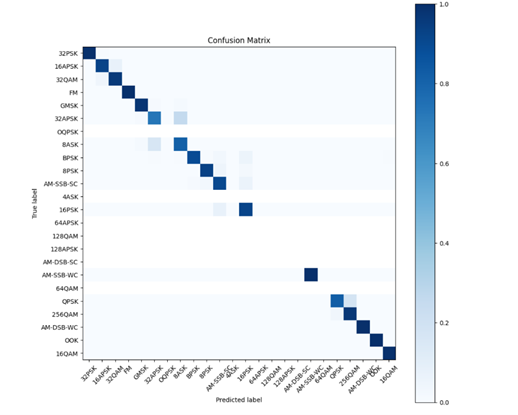
This paper delves into the advancement of deep residual networks (ResNets) integrated with channel attention mechanisms for the classification of radio signals under conditions of low Signal-to-Noise Ratio (SNR). Utilizing an expansive dataset of radio signals, this paper introduces a novel architecture, MyResNet1, that combines residual learning with channel-wise attention, allowing the model to concentrate on essential features for precise classification. My, investigations exhibit notable improvements in classification accuracy, especially in challenging low SNR scenarios, highlighting the potential of attention-augmented deep residual networks in radio signal processing. Furthermore, this studyexplores various optimization strategies, including data augmentation and regularization techniques, to enhance the model’s performance and robustness. My findings contribute significantly to cognitive radio technologies and illuminate the potential of deep learning in sophisticated signal classification tasks, aligned with recent explorations in automatic modulation recognition (AMR) through deep learning and autoencoder-based methodologies for enhancing I/Q channel interactions.
Show more
Read Article PDF
Cite
Research Article Open Access
Research on the life cycle assessment of cement
Article thumbnail
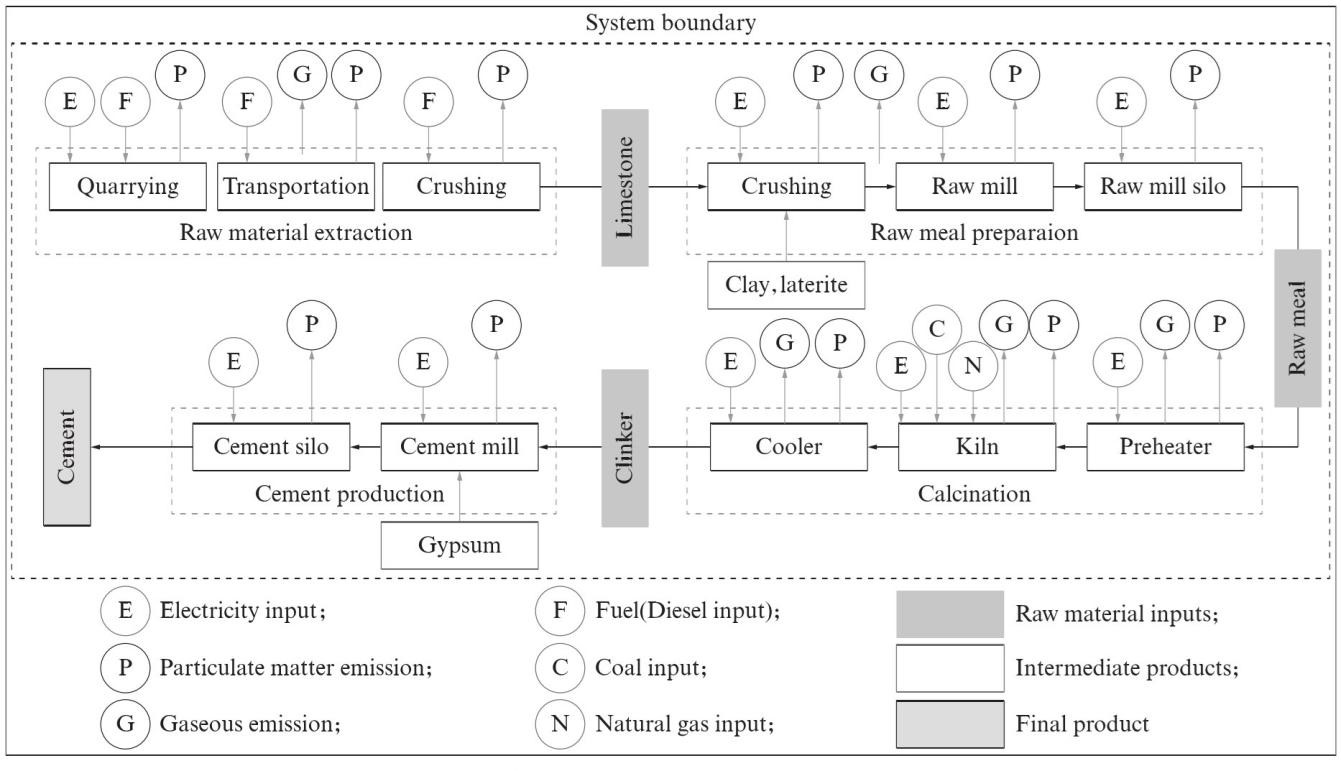
Man-made carbon emissions from the cement sector rank second only to steel, comprising 5% of the total emissions. Additionally, the cement industry accounts for 12–15% of annual energy consumption in the global industrial sector. Given the escalating climate and energy challenges, there’s a growing focus on environmental impact assessments and research into low-carbon cement. Engineers are increasingly striving for carbon neutrality in cement production. Life cycle assessment (LCA) emerges as a vital tool for analyzing the environmental impact of materials throughout their lifecycle. Current research assesses LCA’s applicability in the cement industry, evaluating mitigation strategies and common models. Efforts towards reducing environmental impact and optimizing cement performance are reviewed, though limitations of the LCA model in this context are noted.
Show more
Read Article PDF
Cite
Research Article Open Access
Optimizing urban ecosystems through green and blue infrastructure: Strategies for sustainability, resilience, and justice
Article thumbnail
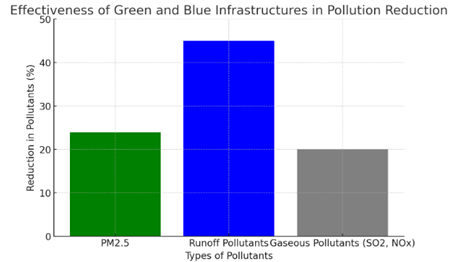
This article examines the roles of Green and Blue Infrastructures (GBIs) in enhancing urban sustainability, resilience, and environmental justice. It highlights how GBIs promote biodiversity, reduce pollution, and increase climate resilience through integrating technologies like the Internet of Things (IoT), Artificial Intelligence (AI), and digital twinning. These innovations improve the management and operational efficiency of urban planning. The study emphasizes the socio-economic and health benefits provided by GBIs, which incorporate natural elements into urban areas to foster environmental equity and resource accessibility. Advanced technological interventions are crucial for optimizing GBI functionality, ensuring urban environments are resilient and sustainable. The paper advocates for a holistic approach involving community engagement and policy reforms to distribute GBI benefits equitably, aiming to create urban ecosystems that are environmentally sound, socially just, and economically viable.
Show more
Read Article PDF
Cite