Articles in this Volume

Research Article Open Access
Identifying Risk Factors and Developing Predictive Models for Depression Using Machine Learning Analysis of Indian Survey Data
Article thumbnail
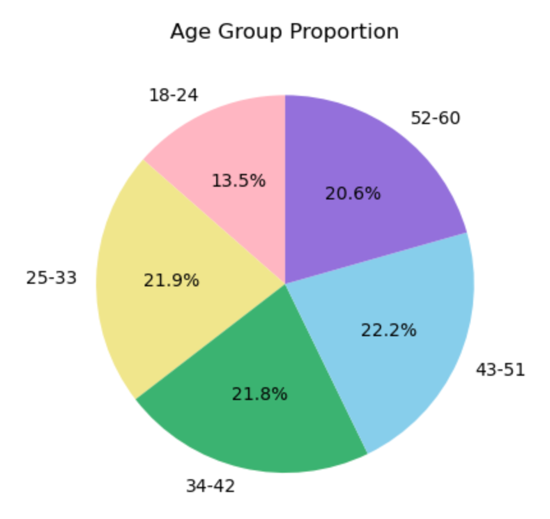
Understanding the correlation between various risk factors and depression is important for developing personalized and effective treatment plans, especially for those at risk of recurrent or chronic depression. Current literature and predictive models identify pressure and age as primary risk factors, in addition to other factors such as financial stress, employment or student status, and suicidal thoughts. This approach emphasizes the importance of considering a range of interrelated factors that may influence each other and compound over time. Particular attention should be paid to vulnerable and marginalized populations, who are disproportionately affected and have higher prevalence of depression, emphasizing the need for individualized treatment and targeted interventions. High accuracy predictive models are used to assess the impact of individual and combined risk factors, providing a tool for identifying people at risk of depression before symptoms such as somatization become fully manifest. Early identification can lead to more proactive interventions, improved clinical outcomes, and a reduction in the overall impact of depression on society.
Show more
Read Article PDF
Cite
Research Article Open Access
Enhancing NL2SQL Conversion: Addressing Schema and Temporal Challenges with a Hierarchical Tree Structure
Article thumbnail
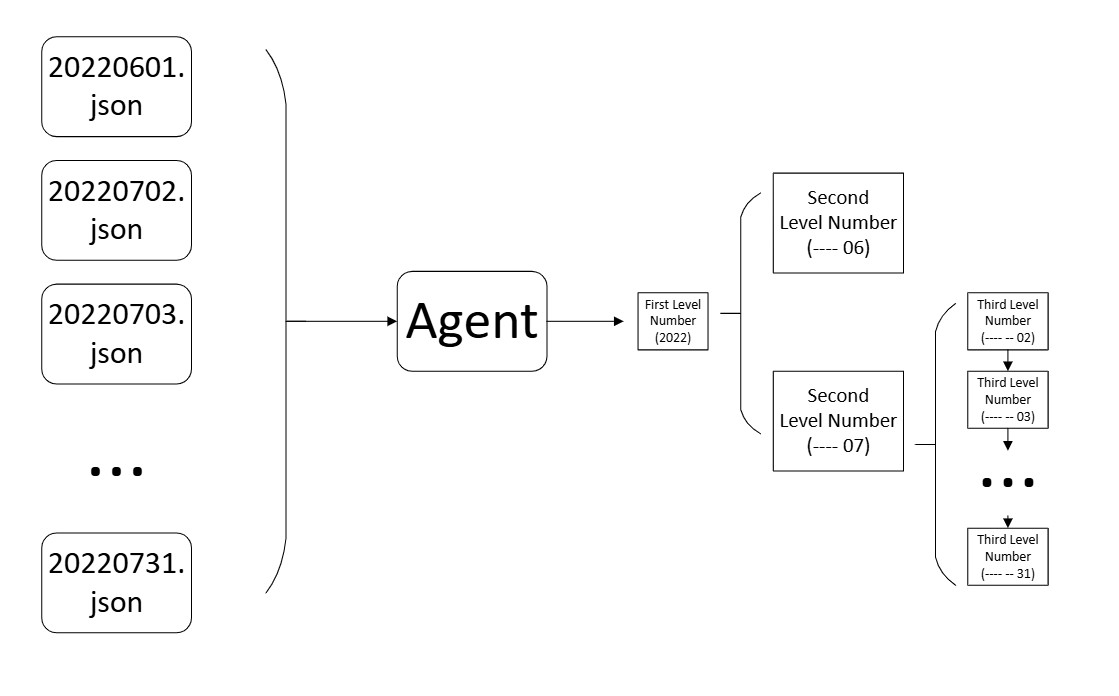
This paper dives deeper into the field of Natural Language to Structured Query Language conversion (NL2SQL). Using the widely accepted NL2SQL agent provided with the Spider-2 dataset, it aims to identify basic and common issues present in most NL2SQL agents. Specifically, it evaluates the performance of the original Spider-2 agent and the Spider-2 + DIN-SQL model on the Spider-2 Snow dataset. Out of the 547 results, the thesis manually examines a subset with a statistically significant sample size. The results reveal that current models struggle to understand semi-structured variable names, such as column names in schemas and table names. The performance is abysmal in the absence of relevant illustrative files. Even when such files are available, the agent often fails to correctly interpret the meaning of file names, leading to the selection of incorrect files or tables that hold the data. This study also proposes potential directions for improvement, particularly in cases where file or table names involve temporal elements, such as dates or times. Based on experiments, the thesis believes incorporating a hierarchical tree structure could offer a promising solution.
Show more
Read Article PDF
Cite
Research Article Open Access
An Unpowered Hip Exoskeleton Towards Walking Performance Enhancement for Stroke Survivors
Article thumbnail
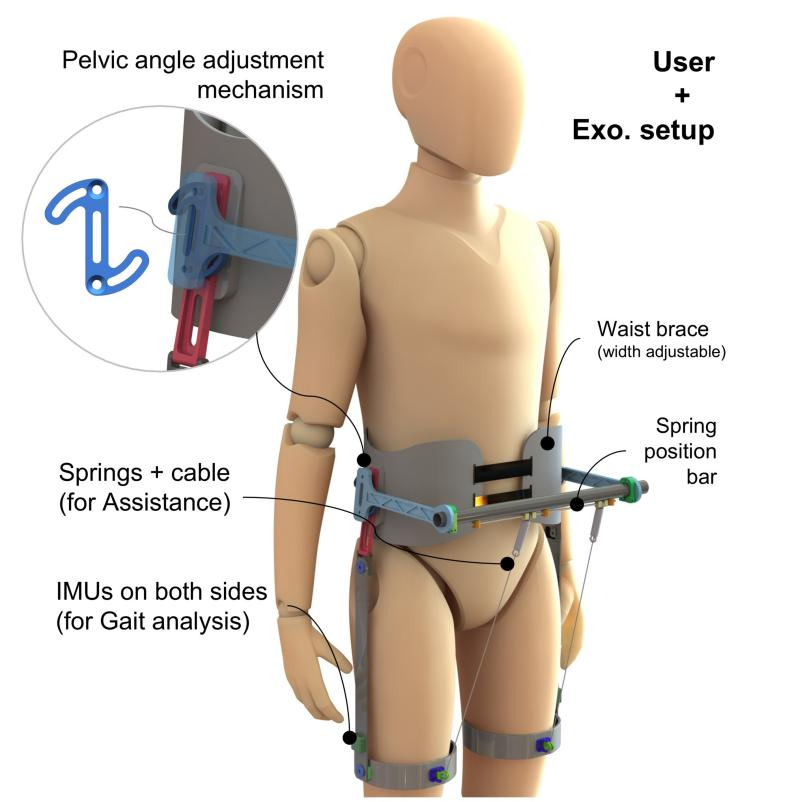
Stroke is one of the leading causes of long-term disability, often resulting in impaired mobility and decreased life quality. This paper presents a novel passive hip exoskeleton system addressing two critical challenges in post-stroke rehabilitation: multi-planar gait assistance and real-time asymmetry quantification. The design features a geometrically optimized dual-plane assistance mechanism generating simultaneous flexion torque and lateral stabilization through spatial spring coupling. Integrated adaptive frequency oscillators enable sub-100ms gait asymmetry detection, providing instant feedback for users.
Show more
Read Article PDF
Cite
Research Article Open Access
Artificial Intelligence in Retinal Disease Detection: Technological Advances and Clinical Applications Research
Retinal lesions, as common complications of chronic diseases such as diabetes and hypertension, have become a leading cause of irreversible visual impairment worldwide. According to the 2023 report by the International Diabetes Federation (IDF), approximately 34% of diabetic patients globally develop diabetic retinopathy (DR), with a subset progressing to vision-threatening advanced stages. Traditional screening methods depend on eye doctors to manually analyze fundus images, which can be difficult due to issues like low accuracy, uneven access to medical resources, and differences in opinions among doctors. In recent years, breakthroughs in deep learning have provided a novel methodological framework for medical image analysis. In particular, the innovative application of convolutional neural networks (CNNs) in retinal image interpretation has enabled a paradigm shift from reliance on manual expertise to data-driven approaches. This study adopts a systematic literature review to summarize the technological advances of artificial intelligence in retinal disease detection and discusses the associated clinical challenges and future prospects. The findings reveal that CNN-based models, such as ResNet-50, achieve high accuracy rates of up to 94.2% in DR grading, significantly outperforming manual screening. Additionally, generative adversarial networks (GANs) and multimodal fusion strategies effectively enhance performance in small-sample settings and improve detection sensitivity. However, issues such as data heterogeneity and limited model interpretability continue to hinder clinical application. It is therefore imperative to promote large-scale deployment of AI-assisted diagnostic systems through the construction of standardized multi-center databases, development of lightweight models, and design of human-computer collaborative diagnostic interfaces.
Show more
Read Article PDF
Cite
Research Article Open Access
Stock Price Prediction and Analysis Using Neural Network Models
As the global economy becomes more interconnected and financial markets face increasing risks, stock price volatility has also risen. For the numerous stock traders and investors in our country, conducting scientific and effective stock price prediction and analysis is crucial. This process enables the formulation of sound investment strategies and the achievement of higher returns. Additionally, the rapid advancements in machine learning in recent years have made stock price factor analysis using neural networks increasingly feasible.This paper reviews key studies from the past few decades and provides a summary of the research methods and models used in stock price factor analysis. It also explores two primary research approaches: horizontal research and vertical research. Furthermore, the paper compares long-term and short-term investment strategies, highlighting the neural network models most suitable for each scenario.
Show more
Read Article PDF
Cite
Research Article Open Access
Study on the Gestalt-Based Approach to Optimizing 3D Game Interface Layouts
As virtual reality (VR) technology continues to evolve, the user interfaces of 3D games are progressively shifting from conventional two-dimensional paradigms towards immersive, multi-dimensional environments, thereby substantially enriching the realism and experiential depth for users. However, this shift has also brought about design challenges such as complicated spatial layout, decreased interaction efficiency, and insufficient device adaptability. In this regard, there is an urgent need to introduce a scientific visual perception theory to guide the design. This paper takes the Gestalt principle as the theoretical basis and aims to explore its applicability and optimisation value in 3D game user interface design. Through a combination of literature review and typical case analysis, relevant findings from recent years are systematically sorted and analyzed. It is found that the laws of proximity, similarity, closure and continuity in Gestalt principles have significant guiding significance in the layout of 3D interfaces, which can effectively improve the order of interface structure and the efficiency of information conveyance, and boost the user’s sense of immersion and smoothness of operation. Moreover, it proposes a set of optimization strategies for 3D game interface design based on Gestalt principles, offering a feasible reference for enhancing the rationality of interface layout and the convenience of user interaction.
Show more
Read Article PDF
Cite
Research Article Open Access
Integrated Approach to Flood Simulation Using MATLAB, EnKF Data Assimilation, and Perturbation Sensitivity Analysis
Article thumbnail
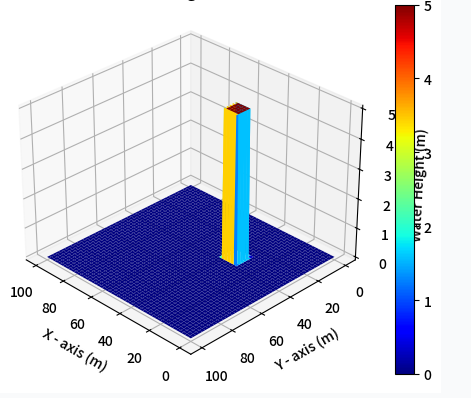
Flood forecasting and flood control are crucial components of disaster risk reduction and prevention, particularly in areas where hydrological disasters pose significant risks. This paper presents an integrated approach that includes flood modeling using MATLAB, data assimilation through the Ensemble Kalman Filter (EnKF), and perturbation sensitivity analysis to enhance flood prediction data. The primary objective is to establish a unified MATLAB environment that facilitates simulation modeling, data assimilation, and sensitivity analysis, thereby enhancing the resilience of predictions against uncertainties.Hydrodynamic modeling, based on MATLAB computational tools, is utilized for flood simulation, rainfall runoff, and flood propagation. The EnKF is employed within MATLAB scripts to update real-time observations to simulation predictions, minimizing prediction errors. Furthermore, perturbation sensitivity analysis, using methods such as Monte Carlo simulation and Sobol analysis, identifies which model variables have the greatest influence, thereby improving the model's reliability.Results indicate that the flood prediction accuracy is improved by employing EnKF in conjunction with simulation models, compared to using EnKF alone. This combination is characterized by a reduction in prediction error and a closer match to observed data. Sensitivity analysis also enables the identification of other factors affecting the model, thus offering opportunities for further improvement. The integrated MATLAB framework is demonstrated to be a flexible and effective system for flood forecasting, adaptable to various conditions and datasets.The limitation of this study is to emphasize the importance of the synergistic effects of simulation, data assimilation, and sensitivity analysis in enhancing the understanding of flood prediction. The framework will be further developed and applied to other hydrological systems..
Show more
Read Article PDF
Cite
Research Article Open Access
Multimodal Brain Tumor Segmentation Based on Multi-Scale Feature Extraction Network
This study aims to develop a multi-modal brain tumor segmentation technique based on a multi-scale feature extraction network to enhance the accuracy of brain tumor segmentation and assist in the clinical diagnosis of neurological diseases. Built upon the advanced U-Net architecture, the study designed a network framework with residual connections, downsampling and upsampling modules, and multi-branch combination mechanisms, achieving the extraction and integration of features from multiple scales. By integrating deep learning techniques such as depthwise separable convolutions, spatial pyramid pooling (SPP), and attention mechanisms, this paper innovatively proposes a multi-scale feature fusion strategy. The network model employs a composite loss function combining cross-entropy and Dice Loss, optimized through regularization methods and the SGD algorithm, with fine-tuning of hyperparameters achieved through grid search. Experiments used datasets including multi-modal medical images such as MRI, CT, PET, and underwent rigorous data preprocessing, such as image registration and normalization, to ensure the quality of input data. The multi-modal brain tumor segmentation experiments were evaluated comprehensively using metrics such as precision, recall rate, F1 score, and ROC curves through K-fold cross-validation. Experimental results show that the network model proposed in this article reaches an advanced level on all performance metrics, exhibiting a significant advantage, especially in processing multi-modal image data, and verifying its generalization ability. Statistical significance testing further confirmed the robustness of the model, providing a powerful tool for future efficient clinical diagnosis and treatment. In conclusion, the study summarizes the innovative points and comparative advantages and looks forward to the pursuit of real-time segmentation performance and optimization of data fusion strategies.
Show more
Read Article PDF
Cite
Research Article Open Access
Chinese Sentiment Analysis Based on CNN-BiLSTM-Attention Model
Article thumbnail
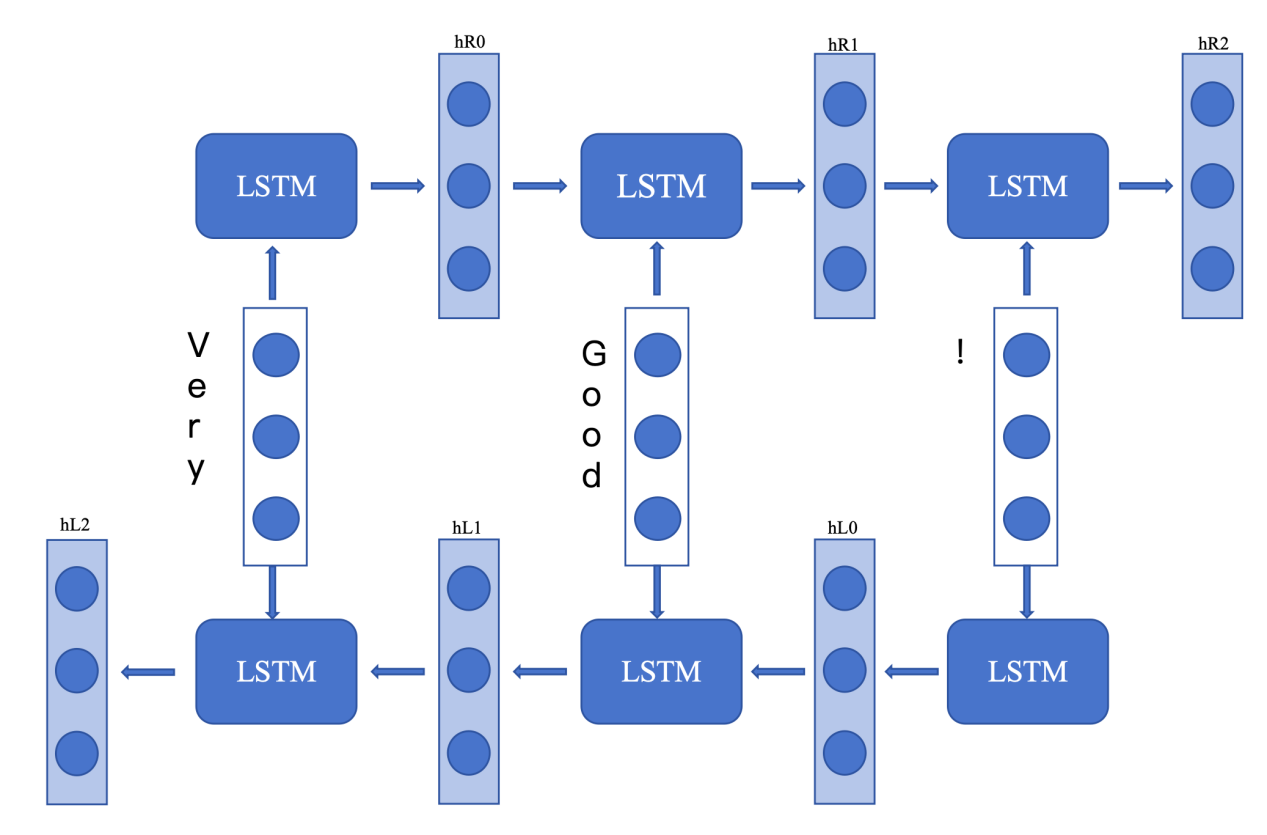
With the widespread proliferation of the Internet, individuals are increasingly inclined to express their opinions and comments on various matters online. This paper will discuss the feasibility of applying the Attention-Based CNN-BiLSTM model (ABCBM) to Chinese sentiment analysis. In order to demonstrate that the model can effectively adapt to the task, it is essential to select a high-quality dataset. This paper has chosen the WeiboSenti100k dataset, which contains 100,000 comments posted on Weibo. After splitting the dataset into train texts and test texts randomly, this study uses the model to capture the Semantic information inside the texts. The result of the experiment shows that this model can manage the Chinese sentiment analysis well, achieving 98% accuracy, 97% recall and 98% F1 score in classifying texts as positive and negative, which proves the capacity that ABCBM holds in clarifying the sentiment inside the Chinese language.
Show more
Read Article PDF
Cite
Research Article Open Access
Benchmarking Multimodal Biological Data Integration and Imputation
Article thumbnail
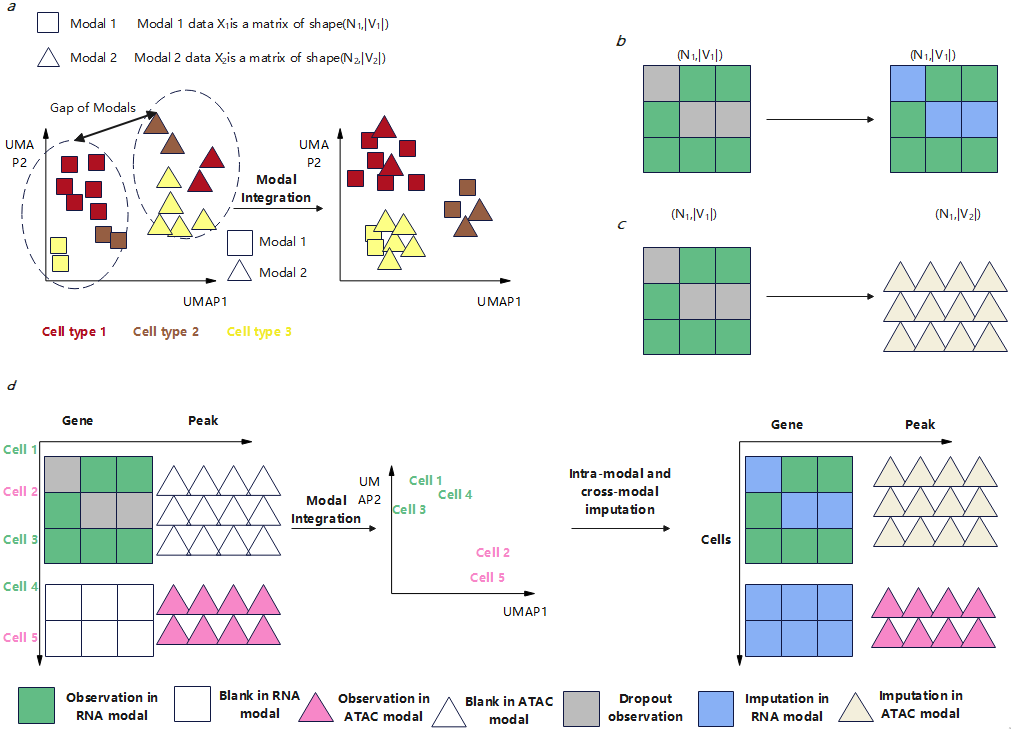
Biological data serves as the foundation for analyzing life systems. However, heterogeneous feature spaces and technical noise severely hinder the integration and imputation of biological data. The high cost of acquiring joint measurements across modalities further limits analysis capabilities. There is an urgent need for deep learning methods to efficiently integrate and impute unpaired multimodal biological data, enabling a more comprehensive understanding of cellular behavior. We collected widely used multimodal biological data integration and imputation methods and established a comprehensive benchmark to advance this field.
Show more
Read Article PDF
Cite