Articles in this Volume

Research Article Open Access
Analysis of Risk Management Methods for Shield Tunnel Construction Phase
Article thumbnail
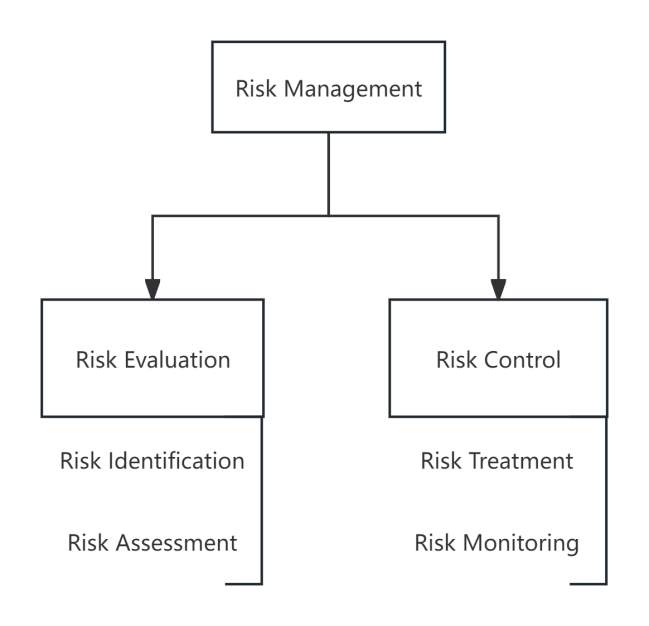
In recent years, the road network construction sector in China has witnessed remarkable progress. A large number of projects, including highway tunnels, railway tunnels, and subways, have been successfully launched. Nevertheless, given the complexity of geological conditions and construction conditions, the issues and uncertainties encountered during tunnel construction are often more diverse, thereby escalating the difficulty and the cost of risk management. This paper comprehensively reviews the methods for risk management during the construction phase of shield tunnels as reported in the relevant literature. Conducting a brief analysis of the applicable scope of different methods. The findings indicate that the Work Breakdown Structure - Risk Breakdown Structure (WBS-RBS) method, the Analytic Hierarchy Process (AHP), and the Fuzzy comprehensive Evaluation(FCE) are among the most widely employed techniques for risk evolution. Moreover, the As Low As Reasonably Practicable (ALARP) principle serves as the fundamental and precise guideline for risk management. Finally, it analyzes the remaining problems of the risk management method system and puts forward potential future research directions.
Show more
Read Article PDF
Cite
Research Article Open Access
Computational Design and Temporal Signal Analysis for Wearable Smart Textiles: AI-Driven Sensor Layout Optimization and Deep Learning-Based Anomaly Detection
Article thumbnail
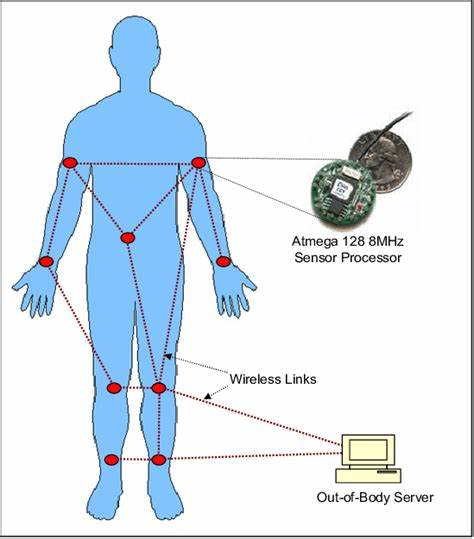
Smart wearable fabrics are breaking through the technical bottlenecks of traditional health monitoring. The key lies in solving the adaptation problem between sensor layout and dynamic perception. By targeting pain points such as signal distortion and high false detection rate existing in current schemes, this study builds a new framework driven by the dual engines of “algorithm design + deep learning”. Through a hybrid optimization model integrating genetic algorithm and reinforcement learning, the global search for optimal solutions for multi-objective parameters (constraint coverage, signal redundancy, and wearing comfort) was realized for the first time, and the best sensor array layout scheme was found. At the end of data processing, the bidirectional long short-term memory (Bi-LSTM) network based on the attention mechanism can accurately capture abnormal fluctuations in time series data, complete diagnostic decisions within 120 milliseconds, and the detection accuracy rate reaches 95.4%, showing stronger anti-environmental interference capability compared to traditional methods. These breakthroughs pave the way for the practical application of smart clothing, especially in scenarios with strict real-time requirements such as sports rehabilitation and elderly monitoring, where the application potential is obvious. Further research will focus on integrating model lightweighting and autonomous power supply to further improve the energy efficiency ratio and wearable adaptability of the system.
Show more
Read Article PDF
Cite
Research Article Open Access
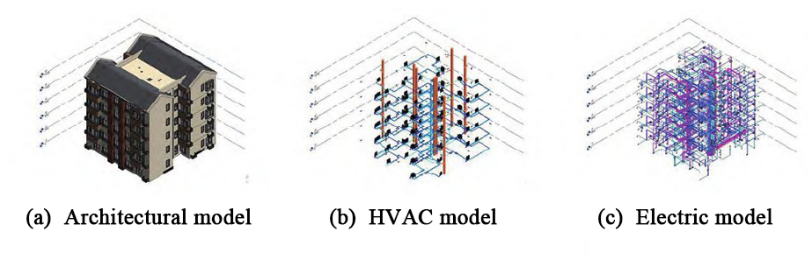
Research on Applications of Intelligent Construction in the Renovation of Aged Residential Communities under the Background of Urban Stock Renewal
Article thumbnail
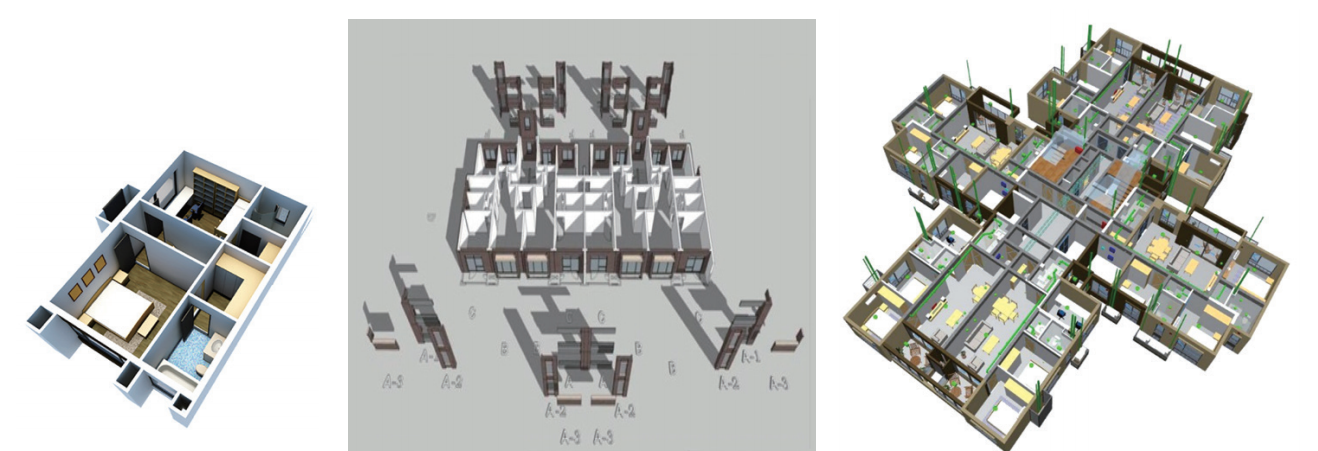
At present, Chinese aged residential communities suffer from problems such as aging facilities and functional deficiencies. To enhance people's well-being and the quality of cities, these problems can be effectively renovated based on intelligent construction. This study explores the multiple applications of intelligent construction in the renovation of aged residential communities, including the application scenarios of Artificial Intelligence, the Internet of Things, Building Information Modeling, and other technologies in the three phases of project planning and design, construction operation, and operation and maintenance. It is found that the systematic integration of intelligent construction technologies has achieved the digital control of the whole process of aged residential communities' renovation and significantly improved the efficiency and quality of the renovation. Intelligent construction realizes visual diagnosis of hidden engineering problems and multi-professional collaborative optimization in the early planning stage, which significantly improves the scientificity and feasibility of renovation plans. In the mid-construction stage, it effectively overcomes construction problems such as site constraints in the aged residential communities and significantly improves the quality of the project and the safety of the construction at the same time. And in the latter stage, it improves the efficiency of the service response and realizes sustainable operation of the community facilities through the optimization of the data-driven decision-making, which makes the sustainable operation of community facilities come true. The analysis in this paper can provide theoretical support and practical reference for promoting sustainable and high-quality urban development.
Show more
Read Article PDF
Cite
Research Article Open Access
Analysis of Energy Consumption and Efficiency of Green Buildings Based on BIM Technology
This study explores the integration of Building Information Modeling (BIM) technology with green building practices against the backdrop of global building energy consumption and carbon emissions, accounting for significant proportions of total energy use and emissions. The research highlights the importance of BIM in achieving low-carbon and sustainable building development, which is crucial for environmental protection and meeting carbon neutrality goals. This paper examines BIM's applications in daylight analysis, HVAC load calculation, and energy consumption analysis within the building lifecycle. It demonstrates how BIM, combined with energy simulation software like EnergyPlus and IES VE, optimizes building design, construction, and operation for enhanced energy efficiency and reduced carbon emissions. The study reveals that BIM enables precise daylight simulation, optimizing building orientation and design to increase natural lighting and reduce artificial lighting use. In HVAC load calculations, BIM provides detailed building data for accurate load assessments, leading to efficient system designs. Furthermore, BIM's integration with energy analysis tools allows for comprehensive energy consumption prediction and optimization throughout a building's lifecycle, from construction to operation, improving energy management and reducing operational costs. This research underscores the potential of BIM technology to drive innovation in green building practices, offering valuable insights for the construction industry's transition toward sustainability and carbon reduction.
Show more
Read Article PDF
Cite
Research Article Open Access
The Application of BIM Technology in Green Construction Management of Building Projects
The traditional construction industry often accompanies environmental pollution and resource waste during the construction process. With the emergence of the concept of green development, the green building model has gradually become the mainstream trend of industry development.BIM technology is an important tool in the process of promoting green construction buildings. The purpose of this paper is to analyze the application of BIM technology in the green construction management of construction projects, based on the advantages of BIM technology, such as management, simulated construction, collaborative management, etc., combined with 3D technology to build a platform for implementation, and improve the efficiency of building construction. Through the case analysis of the Ningbo Manhattan Building, it is reflected that the design and application of multi-party collaborative management based on BIM are perfect, and the collaborative management of 3D models after lightweight processing can further strengthen green supervision. In the future, the application of BIM technology in green construction management will be further deepened and expanded to a higher dimension. Finally, the application of BIM technology in the green construction management of construction projects is elaborated and evaluated.
Show more
Read Article PDF
Cite
Research Article Open Access
Chemical Stability of Cosmetic Ingredients: Mechanisms of Degradation and Influencing Factors
Cosmetic ingredients are crucial for the chemical stability of products, which is a key factor to judge the safety and shelf life of the product. Cosmetic ingredients are classified based on their susceptibility to these processes, with important characteristics such as molecular structure, functional groups, and reactivity influencing their stability profiles. This paper examines the significance of chemical stability in cosmetic products and how it affects their efficacy and safety. It also analyzes both internal factors, such as molecular structure and formulation composition, and external conditions, including temperature, light, and packaging. The findings reveal that both internal and external factors impact chemical stability. High temperatures and extreme pH values might accelerate degradation, whereas light can produce photochemical processes that diminish ingredient efficacy. These factors can be decreased with proper packing, such as airtight or UV-blocking containers. how antioxidants, encapsulation technology, and intelligent packaging are key components of stability-boosting techniques. The durability of components like vitamin C may be significantly increased by antioxidants like vitamin E and ferulic acid, which stop oxidative destruction. Liposomes and microencapsulation are two encapsulation techniques that shield delicate substances like retinol from air and light. It has also been demonstrated that intelligent packaging solutions, including UV-blocking materials or self-regulating packaging, improve product stability. The stability of cosmetic ingredients plays an essential role in maintaining product quality, safety, and effectiveness throughout its shelf life.
Show more
Read Article PDF
Cite
Research Article Open Access
Analysing the Application of BIM Technology in the Various Stages of a Construction Project's Life Cycle
Article thumbnail
At present, the traditional construction industry is gradually exposed to inefficiency, information fragmentation and other problems, making it difficult to meet the needs of sustainable development in today's society. With the continuous progress of science and technology, BIM technology, with its high efficiency, has begun to be gradually applied to the construction industry. This paper firstly describes what Building Information Modeling(BIM)technology is by giving an overview of BIM technology, and then analyses the application of BIM technology combined with Geographic Information System(GIS) in the planning stage of construction, the application of BIM technology in building design and the application of BIM technology in construction, such as virtual construction and so on. Through the analysis, the combination of BIM and GIS can greatly help the planning of buildings in site selection and energy consumption optimisation; the multi-disciplinary collaboration of BIM can greatly improve the efficiency of building design; the intelligent calculation of project quantity and dynamic cost control of BIM and virtual construction can greatly help the construction of buildings. This study aims to summarise the previous findings and promote the application of BIM technology in the future construction industry.
Show more
Read Article PDF
Cite
Research Article Open Access
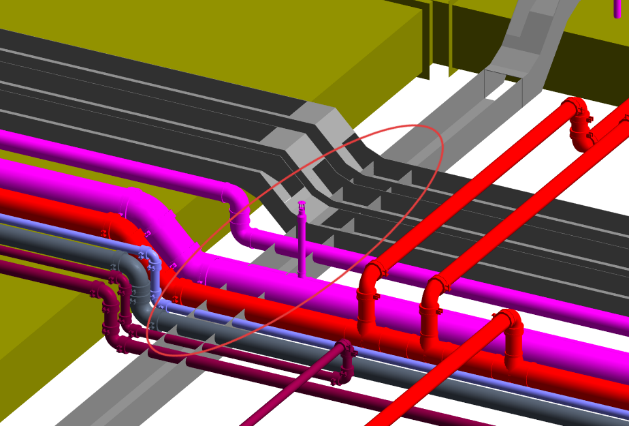
Research on Construction Rework Rate Control Based on BIM Technology—Taking the Caojiadu Underground Garage Project as an Example
Article thumbnail
The problem of rework has led to low construction efficiency and massive waste of resources in the construction industry, which is contrary to the current national “dual carbon” strategic goals. Building Information Modeling (BIM) technology can help solve this problem and achieve healthy and efficient development of the construction industry. This article takes the underground garage of Caojiadu as the research object and uses the case analysis method to explore the application of BIM technology in controlling the construction rework rate. Research has found that BIM technology can effectively reduce the occurrence of rework, save engineering costs, and improve construction efficiency; At the same time, BIM technology should strengthen its integration with emerging technologies, achieve information sharing throughout the entire life cycle of buildings, and further improve the construction quality and management level of the construction industry.
Show more
Read Article PDF
Cite
Research Article Open Access
Research on the Optimization Design of Thermal Resistance and Pumping Power of Microchannel Heat Sinks (MCHS)
Article thumbnail
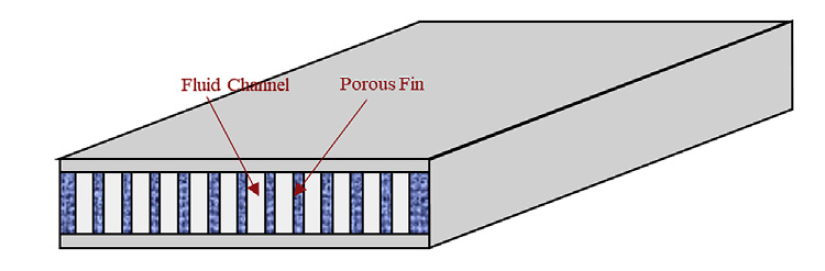
Microchannel heat sinks (MCHS), with their outstanding heat dissipation efficiency and compact structural design, have become a crucial technology to address the thermal management challenges posed by high-power density devices. They are widely applied in fields such as electronic equipment, lasers, aerospace, and new energy, significantly advancing enhanced heat transfer technologies. The fundamental principle lies in utilizing fluid flow within microscale channels to achieve efficient heat exchange and dissipation. Their performance is primarily evaluated based on key indicators such as thermal resistance, pressure drop, and heat transfer coefficient. This paper systematically reviews the working principles of MCHS, core design parameters (such as channel shape and size), and optimization strategies for thermal resistance and pumping power (pressure drop). Methods for enhancing MCHS heat transfer efficiency, including filling channels with porous materials or introducing specific microstructures (such as ribs and cavities), are discussed. The current research status and development trends are analyzed in depth. This study aims to provide theoretical references for the optimized design and application of MCHS and to prospect its future development in high-performance thermal management systems.
Show more
Read Article PDF
Cite
Research Article Open Access
Research on the Application of BIM Technology in Urban Renewal
Urban renewal has gradually become a core theme and key component of contemporary urban development. However, it currently faces numerous challenges, such as information opacity and low collaboration efficiency. Against this backdrop, Building Information Modeling (BIM) technology, with its powerful capability to integrate building lifecycle information, provides innovative and effective solutions to these issues. This paper employs a literature review method, combined with domestic and international case studies, to explore the positive role of BIM technology in urban renewal. The findings indicate that BIM technology significantly enhances the performance and quality of urban renewal projects through precise 3D modeling and valid multidisciplinary collaboration. Nevertheless, current limitations—such as software compatibility issues and a shortage of skilled professionals—still constrain its broader and deeper application in urban renewal. In the future, the deep integration of BIM with cutting-edge technologies like artificial intelligence (AI) and the Internet of Things (IoT) is expected to drive urban renewal projects toward intelligent lifecycle management, thereby laying a solid foundation for smart cities.
Show more
Read Article PDF
Cite