Articles in this Volume

Research Article Open Access
PSYNAV: Exploring User Needs and Expectation and Designing AI Psychological Assistants
Article thumbnail
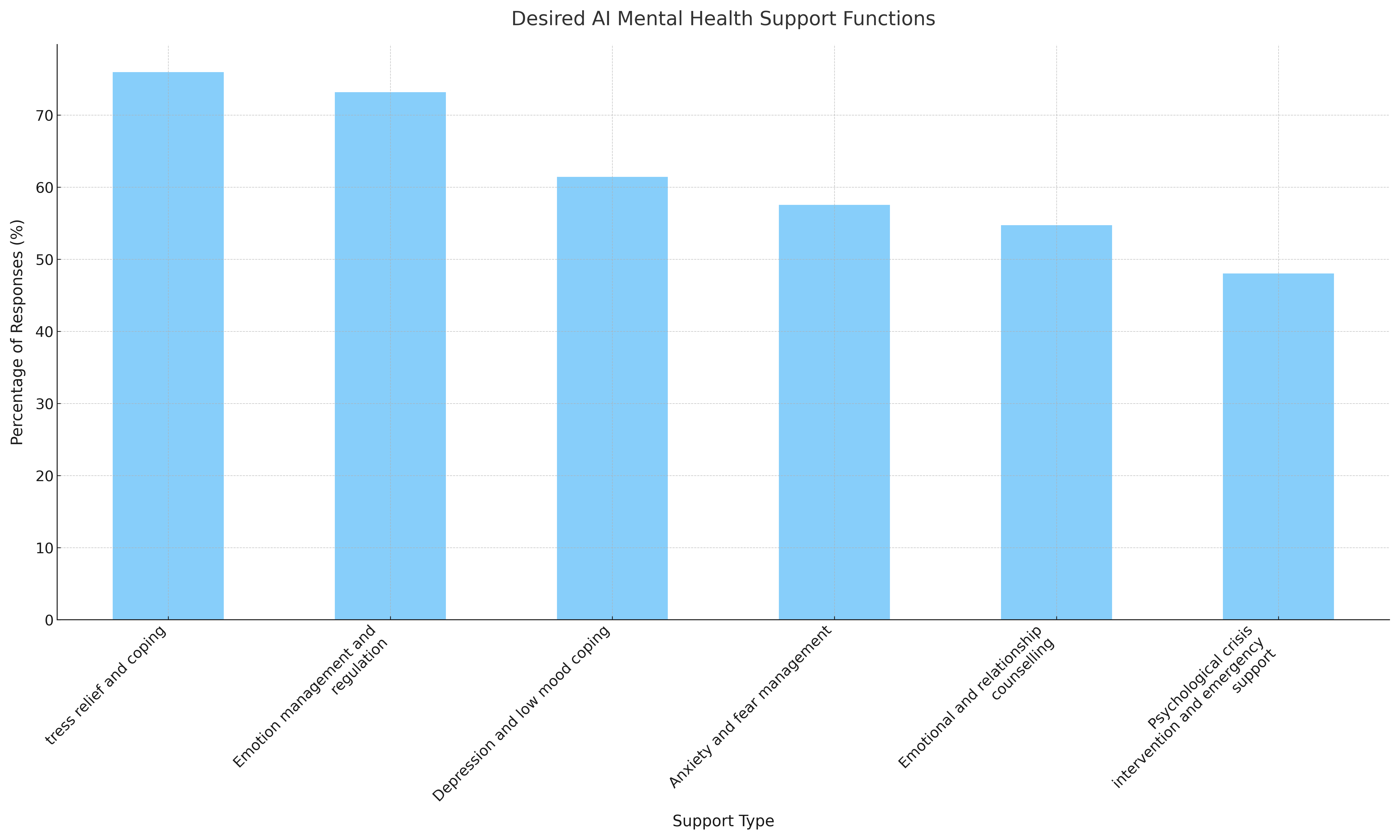
Mental health concerns have surged, highlighting the need for innovative solutions to enhance accessibility and effectiveness of support. This study investigates user expectations of AI-driven therapists and iteratively develops AI-based psychological assistants to cater to the growing demand for accessible mental health support. The researchers develop the PSYNAV system, an AI-driven web-based intervention, and comprises three distinct iterations, which include (i) a survey and interviews on users' demand for psychological intervention and support; (ii) a low-fi prototype codesigned with psychology students and computer science students; (iii) a high-fi prototype which can be accessed through the webpage to gain feedback and provide further improvement ideas. Each iteration contributes to a comprehensive understanding and refinement of the AI-driven intervention.
Show more
Read Article PDF
Cite
Research Article Open Access
Handling Class Imbalance in Machine Learning: A Review
Many machine learning applications are faced with the challenge of class imbalance. Most traditional machine learning techniques only consider maximizing overall accuracy which will lead to the model being biased towards the majority class. As a result, the model will not be able to identify the minority class even if it was able to obtain high overall accuracy which is an issue when these samples are very rare in research or in applications where they are needed. This review summarizes three commonly used approaches to address this problem. It also clarifies the application logic of evaluation metrics tailored for imbalanced scenarios, including precision, recall, F1 score, and precision-recall curves. This review summarizes current progress in addressing class imbalance and highlights potential directions for future research.
Show more
Read Article PDF
Cite
Research Article Open Access
A Comparison of ε-Greedy and Thompson Sampling in Multi-Armed Bandit Problems
Article thumbnail
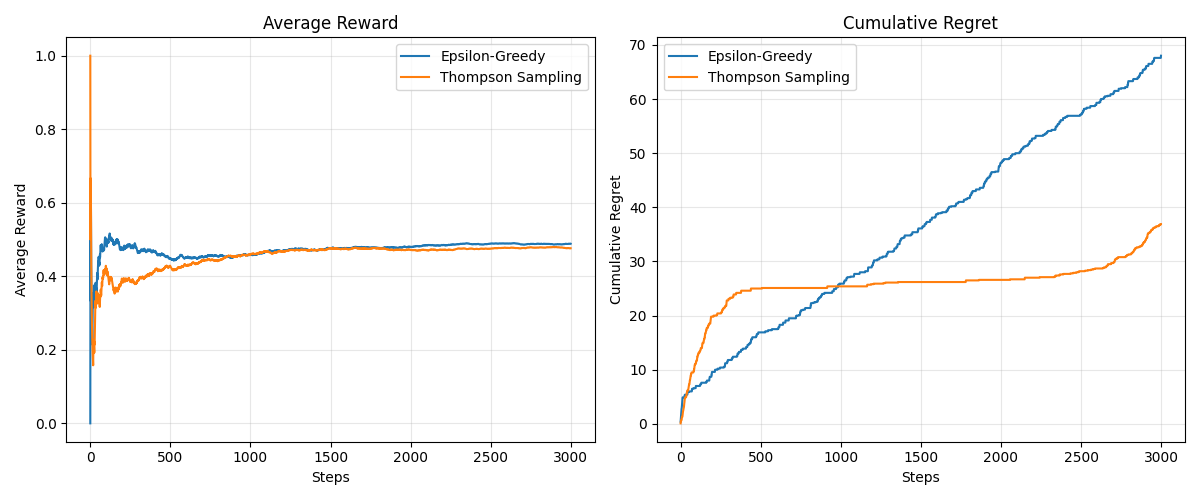
The multi-armed bandit problem is a fundamental framework for sequential decision-making under uncertainty, widely applied in online advertising, recommendation systems, and clinical trials. Balancing exploration and exploitation is crucial for maximizing cumulative rewards. This paper compares two popular algorithms: the ε-greedy strategy and Thompson Sampling. Through a literature review and theoretical analysis, this paper examines their exploration mechanisms, learning efficiency, and practical applicability. Although the ε-greedy approach is straightforward and computationally effective, its reliance on fixed random exploration may result in less than ideal performance. In contrast, Thompson Sampling uses Bayesian inference to adaptively explore based on posterior uncertainty, achieving a more effective trade-off. Empirical results from Bernoulli bandit simulations show that Thompson Sampling accumulates significantly lower cumulative regret over time. A side-by-side comparison table highlights key differences in adaptivity, computational cost, and asymptotic regret. This study also discusses recent advances and provides guidance for algorithm selection in real-world applications.
Show more
Read Article PDF
Cite
Research Article Open Access
Research and Analysis on the Methods, Quality and Feasibility of AI-Assisted Writing
AI-assisted novel writing has become a major trend in the online literature world, and novel platforms are also encouraging authors to incorporate AI into their creations. AI can enable a person with almost no creative experience to produce novels that can be accepted by readers and even generate profit in a short period, creating significant economic benefits. This paper uses literature review, novel platform data search and experiments to explore whether AI has the ability to create long texts and how well it can manage emotions. It also summarizes the mainstream AI-assisted novel creation methods on the market and analyses and evaluates the quality of novels. This article finds that AI has a certain monetization capability, as well as the ability to control the emotions of characters. However, the texts it generates are often too dull and not very readable, and its control over pacing is generally not as good as that of human authors. Nevertheless, all of these can be optimized through model training.
Show more
Read Article PDF
Cite
Research Article Open Access
Balancing Interpretability and Predictive Power: A Comparative Study of Machine Learning Models for Obesity Risk Prediction
Article thumbnail
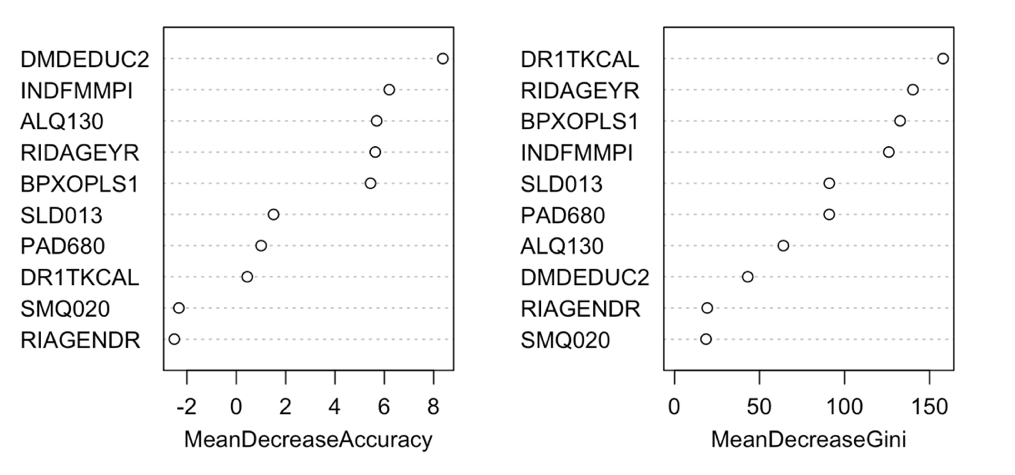
Obesity has become a major global health issue associated with severe chronic diseases such as diabetes and cardiovascular disease, making early and accurate risk prediction crucial for public health interventions. With the rapid growth of health data, complex machine learning models are increasingly used to predict obesity risk. However, many high-accuracy models lack the interpretability required for clinical trust. This paper explores obesity risk prediction and systematically examines the trade-off between predictive accuracy and model interpretability. Therefore, the study compares a traditional parametric model, logistic regression, with a non-linear ensemble method, random forest, through a comprehensive obesity dataset featuring demographic, dietary, and physical activity variables. The paper finds that while the random forest model achieves a superior F1-score, performing better in balancing precision and recall, by capturing complex feature interactions, logistic regression provides necessary interpretability by clearly quantifying specific risk factors. Therefore, the study concludes that both predictive performance and model transparency must be simultaneously prioritized in health data analysis to develop diagnostic tools that are both highly accurate and practically actionable for medical professionals.
Show more
Read Article PDF
Cite
Research Article Open Access
Compressed Sensing in MRI: Sampling Masks and their Comparison
Article thumbnail
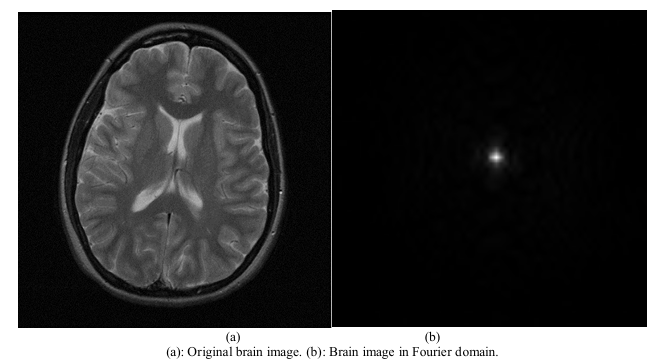
In order to improve the MRI imaging speed, a method of compressed sensing is used. This method utilizes sparsity and compressibility on images, breaking the Nyquist sampling theorem, being able to reconstruct images from fewer data. This paper replaces the patients doing scanning with a high-resolution image of the scanning results, to simulate compressed sensing. Apart from basic normal distribution, four other distributions are tried, they are standard linear, modified linear, Weibull, and cosine distributions. Images are sampled around 35% and reconstruct by wavelet transform. In the end, the modified linear distribution shows the highest image match. Besides, by increasing the sampled points in center, the difference from reconstructed image and complete image become smaller.
Show more
Read Article PDF
Cite
Research Article Open Access
A Review of Artificial Intelligence in Fighting Games: Technical Evolution and Commercial Applications
Fighting games serves as an ideal testbed for real-time decision making AI due to the strict time restrictions and imperfect-information nature. Addressing the core challenges such as limited response time and restricted computational resources has significant value for real-time applications like autonomous driving. This paper provides a systematical review of the characteristics and evolutionary trajectory of AI in fighting games. It analyzes the transformation from early rule-based systems to modern Deep Reinforcement Learning (DRL) approaches, evaluating the respective advantages, limitations and applicable scenarios. A key finding is the successful application and prospect of DRL, exemplified by the Heterogeneous Exploitation Self Play (HESP) in the commercial fighting game Naruto Mobile,which overcomes the traditional scalability and generalization issues, making a significant advancement for AI in complex and real-time environments. Through analysis, DRL demonstrates potential in solving real-time decision-making issues and becomes a new direction for researchers.
Show more
Read Article PDF
Cite
Research Article Open Access
Optimization of Privacy Protection Protocols for the Internet of Vehicles (IoV): The Balance Between Communication Performance and Privacy
Article thumbnail
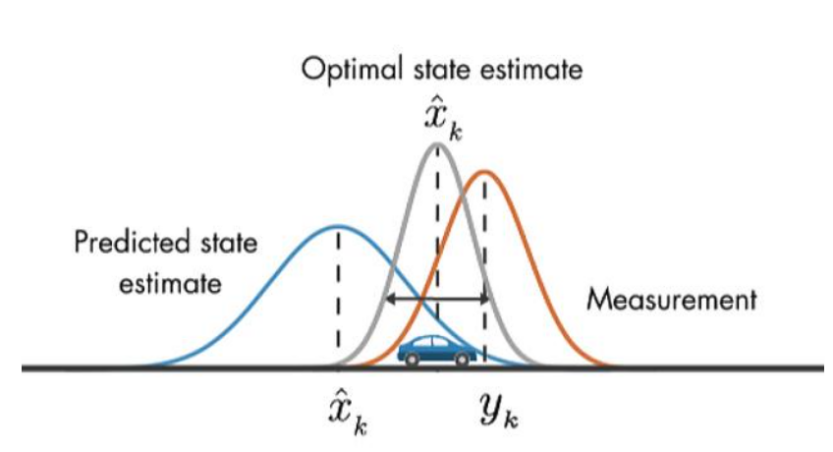
Due to the automotive technology advances, the Internet of Vehicles (IoV) has become a mature field. In China, vehicles primarily connect to the internet through V2X (Vehicle-to-Everything) technology, which supports features like smart cars, autonomous driving, and traffic sharing. However, the high-frequency broadcasting of Basic Safety Messages (BSM) exposes vehicles to significant privacy leaks. Therefore, this paper analyzes the competitive relationship between communication performance and privacy security. To address motion-based linking attacks, this research proposes a mechanism combining Multi-access Edge Computing (MEC) assisted cooperative pseudonym changes. Furthermore, this paper also proposes a mechanism of trajectory perturbation. Finally, the study concludes that this approach reduces the computational burden on vehicles while maintaining high privacy standards through the TPPDP model. The TPPDP model utilizes differential privacy and Laplace noise to balance the performance and privacy of vehicles.
Show more
Read Article PDF
Cite
Research Article Open Access
Energy Consumption Measurement and Optimization Strategies for Large Language Model Systems
Article thumbnail
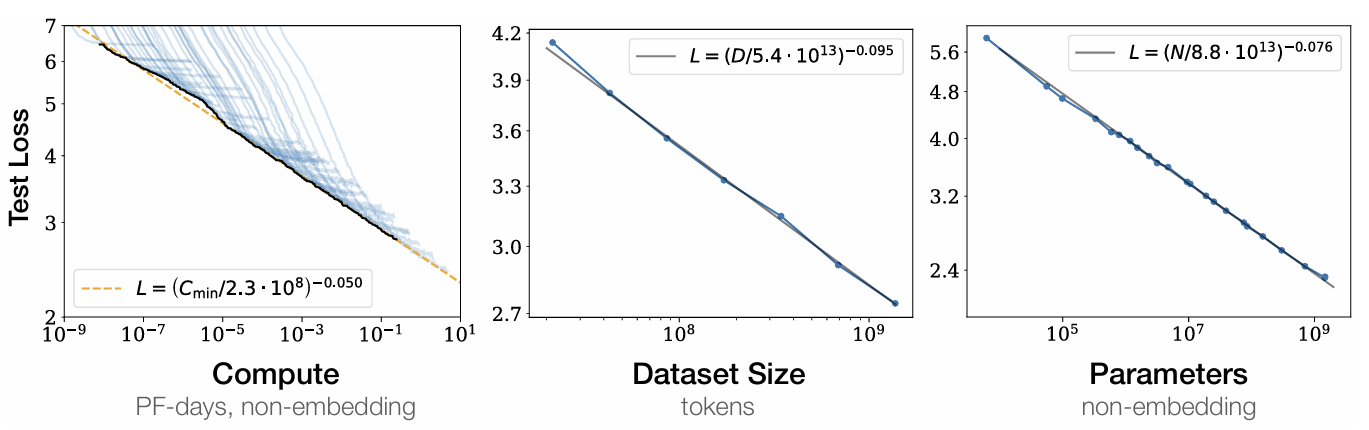
Large language models (LLMs) have rapidly increased in scale in recent years, leading to substantial growth in computational demand and energy consumption. This paper investigates the energy consumption mechanisms of large language model systems and analyses the key factors influencing their energy requirements. A review of existing work on AI energy use and carbon footprint estimates is first presented. Next an LLM Energy Consumption Measurement Framework is presented with total energy usage broken down into Computation, Infrastructure Overhead, and Networking Energy Usage Components. After defining the measurement framework, several components that impact energy consumption are explored (such as model size/complexity, duration of training, hardware architecture utilized, and algorithmic efficiency), which demonstrate that the rapid increase in model parameters and training workloads will continue to have a very large impact on Computational Energy Consumption. At the same time, hardware design and algorithmic optimisation play important roles in improving energy efficiency. Finally, potential optimisation strategies are discussed, including model compression, efficient training techniques, specialised AI accelerators, and the integration of renewable energy in data centre operations. These findings provide a systematic perspective for understanding and improving the energy efficiency of large language model systems.
Show more
Read Article PDF
Cite
Research Article Open Access
A Review of Contextual Bandits for Just-in-Time Adaptive Interventions in Mobile Health
Mobile health interventions are now common, but many still run on fixed schedules even though people's needs can change a lot within the same day, which can lead to missed opportunities for timely support and reduced effectiveness of the interventions. This limitation is one reason JITAI research has become important. A JITAI is not only about what support should be given, but also about when it should be given and withheld. This review examines that problem through the lens of contextual bandits. It explains how JITAIs are structured, why they require dynamic behavior models, and how repeated intervention decisions can be studied and formalized in mobile health. HeartSteps and Oralytics are used to show how these ideas look in practice. This study finds that contextual bandits offer a workable framework for JITAIs in mobile health, but their use is still limited by small samples, heterogeneity, changing responsivity, intervention burden, availability, and the difficulty of defining reward well.
Show more
Read Article PDF
Cite